
Trauma and Sports Injuries
Sports injuries are damage to muscles, tendons, ligaments, bones and joint structures that occur during physical activity or sporting movements. Early diagnosis and appropriate treatment planning are important for both preserving daily function and safely returning to sport.

Dr. Atakan Güvendiren
Orthopaedics and Traumatology · Istanbul
▶ When is Knee Replacement Surgery Performed? How Does the Surgical Process Progress?
{ AI · initial information }
onlineLet's talk about your injury
AI answers do not replace a medical diagnosis.
Short videos on the topic
All videos →Brief explanations on this topic from the clinic's YouTube channel. Total of 5 videos.

Anterior Cruciate Ligament Tear: Who Should Have Surgery?
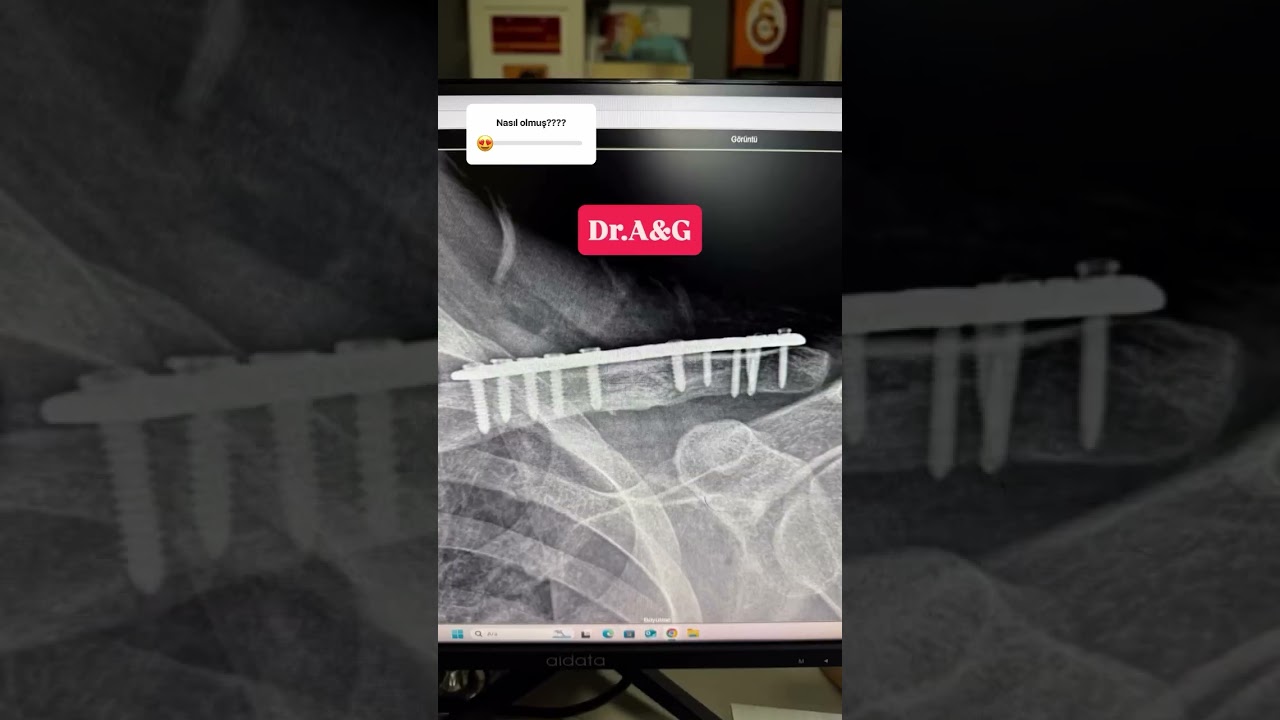
Clavicle Fracture: Clavicle Repair with Plate and Screw

Ankle Fracture-Dislocation: Football Injury Treatment
Expert Opinion on Athlete Health
What is Sports Surgery?
Sports injuries may develop as a result of sudden trauma or can emerge over time due to repetitive strain. Many injuries can be managed with physiotherapy and rehabilitation; surgery may be considered in more severe cases.
Can Post-Sport Pain and Restricted Movement Be Related to Sports Injury?
What Are Sports Injuries?
Sports injuries are damage to muscles, tendons, ligaments, bones and joint structures that occur during physical activity or sporting movements. These injuries may develop as a result of sudden trauma or may emerge over time due to repetitive strain.
Just as they occur in professional athletes, sports injuries are frequently encountered health problems in individuals who exercise regularly and amateur athletes. The type of injury, the sport practised, training intensity and the person's physical fitness can vary.
Early diagnosis and appropriate treatment planning are important for both preserving daily function and safely returning to sport.
Safe Movement After Trauma
Trauma and sports injuries; resulting from sudden impacts, strain and overload, can cause damage to joint, ligament, muscle and tendon structures. Pain, swelling and restricted movement developing in the knee, shoulder and ankle can negatively affect daily activities and athletic performance.
In sports injuries, the right approach can be the key to strong and safe recovery.
Effective Solution in Trauma and Sports Injuries
Trauma and sports injuries; resulting from sudden impacts, falls, incorrect movements or overload, are orthopaedic problems that can cause damage to joint, ligament, muscle and tendon structures. Pain, swelling, restricted movement and loss of performance developing in the knee, shoulder, ankle and muscle groups can negatively affect daily life. Rest, medication and physiotherapy are considered as first-line treatment. In cases requiring surgery, modern orthopaedic approaches aim to repair damaged tissues, reduce pain and restore safe movement. Dr. Atakan Güvendiren
Acute and Chronic Sports Injuries
Sports injuries are generally divided into two groups: acute (sudden-onset) and chronic (gradually-developing) injuries.
Acute Sports Injuries
Acute sports injuries occur as a result of a sudden movement, impact or trauma. They typically develop following a clear event and symptoms appear rapidly.
Most commonly seen acute sports injuries:
- Anterior cruciate ligament injuries
- meniscal tears
- Muscle tears
- Shoulder dislocations
- Ankle sprains
- Fractures and dislocations
In acute injuries:
- Sudden pain
- Swelling
- Bruising
- Loss of movement
such symptoms may be observed.
Chronic Sports Injuries
Chronic sports injuries often develop as a result of repetitive strain and overuse. Symptoms typically begin gradually and increase over time.
Examples of chronic sports injuries:
- Tendinitis (tendon inflammation)
- Muscle strains
- Stress fractures
- Shoulder impingement syndrome
- Patellar tendon problems
These injuries typically present with increasing pain during activity and reduced performance.
Traumatic and Overuse Injuries
Sports injuries can also be divided into two groups according to their mechanism of development:
Traumatic Sports Injuries
Traumatic injuries develop as a result of a single sudden event. They can occur following a fall, collision, incorrect movement or sudden change of direction.
Examples:
- Knee ligament tears
- Shoulder dislocations
- Muscle tears
- Joint sprains
Particularly common in football, basketball, skiing and contact sports.
Overuse Injuries
Overuse injuries develop as a result of continuous loading on joints and muscles. Incorrect technique, insufficient rest and intense training can increase these risks.
Frequently seen overuse injuries:
- Runner's knee
- Tennis elbow
- Achilles tendinitis
- Shoulder tendon problems
These injuries often go unnoticed in the early stages and can become chronic if treatment is delayed.
How Does Athlete Injury Develop?
Athlete injuries are often not due to a single cause. Injury risk increases with a combination of biomechanical, technical and environmental factors.
Main factors that can lead to athlete injury:
- Inadequate warm-up and stretching
- Muscle weakness or imbalance
- Incorrect exercise technique
- Overload and insufficient rest
- Inappropriate sports equipment
- Early return to sport after previous injuries
Particularly, repeated microtrauma can lead to serious muscle, tendon and joint problems over time.
What Are Traumatic Injuries?
Traumatic injuries are damage to the musculoskeletal system caused by external factors such as falls, impacts, traffic accidents, sporting accidents or direct blows. These injuries can range from mild soft tissue damage to severe fractures and ligament tears.
If traumatic injuries are not evaluated early, they can result in prolonged restricted movement and loss of function.
Musculoskeletal Damage Related to Trauma
Most commonly affected structures after trauma:
- Bones
- Muscles
- Tendons
- Ligaments
- Joints
- Cartilage tissue
Depending on the severity of the trauma, the following conditions may develop:
- Sprains
- Muscle tears
- Tendon ruptures
- Meniscus injuries
- Ligament injuries
- Fractures and dislocations
The knee, shoulder, wrist and ankle are particularly prone to traumatic injury.
Injuries from Falls, Blows and Accidents
Traumatic injuries can occur during daily activities or whilst playing sport.
Most common causes:
- Sudden movements during sport
- Slips and falls
- Traffic accidents
- Work-related accidents
- Direct blows
Following such trauma, pain, deformity, swelling or loss of movement may develop.
When Is Emergency Assessment Required?
Some traumatic injuries may require emergency intervention.
In the following situations, prompt medical assessment is important:
- Severe pain and inability to bear weight
- Marked deformity
- Suspected dislocation of a joint
- Rapidly increasing swelling and bruising
- Numbness in the arm or leg
- Inability to move
Early intervention supports both the recovery process and can reduce the risk of permanent damage.
What Causes Sports Injuries?
Sports injuries often do not result from a single cause. Training intensity, biomechanical factors, muscle balance and environmental conditions should all be considered together. In some cases, a single traumatic event causes injury, whilst in others injuries develop over time as a result of repeated strain.
Correctly identifying the underlying causes of sports injuries is important for both the treatment process and for prevention of re-injury.
Inadequate Warm-up
Failure to perform adequate warm-up before exercise can leave muscles and ligaments unprepared for sudden loads.
Inadequate warm-up:
- reduces muscle flexibility
- impairs movement coordination
- increases the risk of muscle and tendon injury
can cause this.
Particularly in high-tempo sports, proper warm-up and mobility work can reduce injury risk.
Overloading and Poor Training
When training intensity exceeds a person's physical capacity, it is one of the common causes of sports injury.
In particular:
- Insufficient rest periods
- Aiming for sudden increases in performance
- Poor training programmes
can lead to overloading of muscles, tendons and joints.
This can lead over time to stress injuries and chronic pain.
Muscle Imbalance
Power imbalance between muscle groups can alter the load placed on joints.
For example:
- Imbalanced function of front and rear leg muscles
- Hip stabiliser muscle weakness
- Insufficient shoulder stabiliser muscles
can increase injury risk.
Muscle imbalance plays an important role particularly in knee, shoulder and ankle injuries.
Incorrect Equipment Use
Using equipment unsuitable for the surface or type of sport can also increase injury risk.
For example:
- Unsuitable sports shoes
- Equipment that does not provide support
- Sports equipment used with incorrect technique
can place extra load on joints and muscles.
Repetitive Micro-trauma
Some sports injuries are not acute but develop over time. Continuously repeated small strains can cause cumulative damage to tissues.
This is particularly common in:
- Runners
- Tennis players
- Footballers
- Weightlifters
.
When micro-trauma is not recognised early, chronic tendon and joint problems can develop.
Risk Factors for Sports Injuries
The risk of sports injury is not the same for every individual. In some groups, the likelihood of injury may be higher.
Professional Athletes
In professional athletes, the risk of injury may increase due to high-intensity training and frequent competition schedules.
In particular:
- Sudden change of direction
- Contact sports
- Repeated high-performance demands
can create the potential for injuries.
Novice Athletes
In people new to exercise:
- Technical deficiencies
- Poor conditioning
- Overloading due to excessive motivation
can increase injury risk.
For this reason, controlled progression of sports programmes is important.
Child and Young Athletes
In individuals during their growth phase, bone and muscle development continues, which is why certain injuries may occur more frequently.
In particular:
- Growth plate injuries
- Overuse syndromes
- Sport-specific loading patterns
should be closely monitored.
Older Adults in Sport
As age advances, muscle elasticity and joint resilience may decrease.
This condition:
- Tendon injuries
- Muscle strains
- Joint pain
may increase the risk of such problems.
Those with a History of Previous Injury
Previous sports injuries can increase the risk of re-injury in the same area.
In particular, returning to sport without completing adequate rehabilitation may increase the likelihood of re-injury.
What Are the Signs of Sports Injuries?
The signs of sports injuries vary depending on the location and severity of the damage. Some signs may be mild, whilst others may indicate serious injury.
Sudden pain
Pain that develops suddenly during injury may be the first sign of ligament injury, muscle tear or fracture.
Pain that increases with movement should be evaluated carefully.
Swelling and bruising
Swelling that develops in the injured area may indicate fluid accumulation or bleeding in the tissues.
Bruising is most commonly seen after:
- Muscle injuries
- Sprains
- Ligament injuries
occurs.
Restricted Movement
There may be a decrease in the range of motion due to damage to the joint or muscle structure.
For example:
- Unable to fully extend the knee
- Unable to raise the shoulder
- Unable to bear weight on the ankle
are important signs.
Feeling of joint instability
A feeling of instability, particularly seen in knee and shoulder injuries, may suggest ligament damage.
It is a symptom commonly described in anterior cruciate ligament injuries.
Loss of strength
Loss of strength in the affected area may develop following muscle or tendon damage.
The person may:
- be unable to raise their arm
- lack confidence in their knee
- experience a decrease in sports performance
Catching or locking sensation
When there is a structural problem within the joint, particularly in meniscus and cartilage injuries, a catching sensation may develop.
In some patients, the joint may suddenly lock and movement becomes difficult.
Most Common Sports Injuries
Sports injuries can occur in different areas depending on the type of sport and the load placed on the joints. The knee, shoulder, ankle and muscle–tendon structures are among the most commonly affected areas during sports activities. Sudden change of direction, high-speed movements, repetitive strain and contact sports may increase the risk of injury. Early correct diagnosis and appropriate treatment planning are important for both healthy progression of recovery and safe return to sport.
Knee Sports Injuries
The knee joint is one of the body's weight-bearing joints and works intensively during sports activities. For this reason, a significant proportion of sports injuries occur in the knee area. Anterior cruciate ligament injuries, meniscus tears and cartilage damage are common problems, particularly in sports that require sudden changes of direction such as football, basketball, skiing and tennis. Patients often present with complaints such as sudden pain, swelling, a feeling of instability in the knee or catching during movement.
Shoulder Sports Injuries
Although the shoulder joint provides a major advantage in daily life thanks to its wide range of motion, this mobility also increases its susceptibility to injury. Repeated loading on the shoulder, particularly in swimming, volleyball, tennis and weight-training sports, can cause tendon strain, shoulder impingement syndrome and rotator cuff injuries. In contact sports, shoulder dislocations are more commonly seen. Shoulder injuries typically present with pain when raising the arm, loss of strength and restricted movement.
Foot and Ankle Injuries
Ankle injuries are among the most common problems seen in athletes. Ligament strain and ankle sprains may develop, particularly in activities requiring sudden stopping and change of direction such as running, basketball and football. Additionally, problems with the Achilles tendon or stress fractures may occur due to overloading. A sudden twisting sensation in the ankle during sport, inability to put weight on it or swelling may be signs of a traumatic injury.
Muscle and Tendon Injuries
Muscle and tendon injuries can occur particularly in intense exercise undertaken without adequate warm-up. The hamstring, calf and groin areas are the most commonly affected regions in athletes. Sudden acceleration, sprinting movements or uncontrolled muscle contraction may cause muscle fibre strain and tearing. Tendon injuries tend to develop more from repetitive movements and may lead to chronic pain over time.
Differences Between Acute and Chronic Sports Injuries
Sports injuries are generally divided into two main groups: acute and chronic. This distinction is important for determining the treatment and rehabilitation plan to be applied.
Acute Sports Injuries
Acute sports injuries result from sudden trauma. Ligament ruptures, meniscus injuries, dislocations and muscle tears that develop following a fall, collision, misstep or awkward movement are classified in this group. The injury typically occurs after a distinct event, and most patients experience sudden pain, swelling and loss of movement.
Chronic Sports Injuries
Chronic sports injuries, on the other hand, develop not from a single trauma but from repeated loading over time. In particular, tendons and joint structures may be damaged due to exercise performed with incorrect technique, inadequate rest and continuous overuse. In chronic injuries, pain develops more insidiously and may reach a level that affects daily life over time.
How Are Sports Injuries Diagnosed?
Correct diagnosis is the foundation of successful treatment in sports injuries. The assessment process begins with a detailed clinical examination. The physician first evaluates how the injury occurred, the location of the pain and the symptoms experienced during movement. Assessment of joint range of motion, muscle strength and stability tests form an important part of the examination.
Imaging methods are used when necessary. X-ray is used to assess bone structure and possible fractures, whilst magnetic resonance imaging (MRI) is the primary method for detailed examination of ligaments, tendons, meniscus and cartilage tissue. Ultrasound may also be helpful in some muscle and tendon injuries.
Treatment Methods for Sports Injuries
Treatment plan for sports injuries; is determined by taking into account the type and severity of injury, the individual's age, activity level and return-to-sport goals. Not all sports injuries require surgery. In many cases, successful results can be obtained through correct treatment and rehabilitation applied in the early stages. The main objective of treatment; is to reduce pain, support the healing of damaged tissue and enable the individual to safely return to daily activities or sport.
Non-surgical (Conservative) Treatments
A significant proportion of sports injuries can be treated without surgical intervention. Non-surgical methods are particularly emphasised in mild to moderate ligament injuries, muscle strains, tendon problems and some meniscal injuries.
In the early stage, it is important to control pain and swelling. During this period activity modification, rest, ice application and, if necessary, supportive equipment can be used. Protection of the injured area contributes to the tissue healing process.
Physiotherapy and rehabilitation play an important role in the treatment of sports injuries. Through the applied exercise programmes, muscle strength is increased, joint range of motion is preserved and the functional capacity of the injured area is attempted to be restored. Particularly in professional athletes, the rehabilitation process is critical for safe return to play.
In some patient groups, PRP (Platelet Rich Plasma) and different orthobiological applications may also be considered to support the healing process. However, the suitability of these methods should be determined by the physician according to the type of injury.
Surgical Treatments
Some sports injuries may require surgical treatment. In particular, high-grade ligament ruptures, severe meniscal tears, tendon ruptures, intra-articular fractures and structural damage due to shoulder dislocation may warrant surgical intervention.
Today, many sports injuries can be treated by arthroscopic surgery (closed technique). This method allows detailed assessment and repair of intra-articular structures using smaller incisions. Anterior cruciate ligament reconstruction, meniscal repair and shoulder tendon surgery are examples of this.
The decision for surgery is not based solely on MRI findings; it is made by evaluating together the patient's symptoms, physical examination findings and life expectations.
Importance of Physiotherapy in Sports Injuries
In sports injuries, physiotherapy is not only important to accelerate the healing process but also to reduce the risk of re-injury. Muscles that remain inactive for a long time after injury can lose strength and joint balance can be disrupted. This situation can create a foundation for new injuries when returning to sport early.
In individually planned rehabilitation programmes; muscle strengthening, balance exercises, coordination work and functional movement training are included. The aim is not only for the athlete to become pain-free but also to safely return to their previous performance level.
Particularly in knee, shoulder and ankle injuries, the physiotherapy process is considered an integral part of treatment.
When to Return to Sport After Sports Injury?
The time to return to sport following a sports injury varies from person to person. The type of injury, the treatment method applied, muscle strength and adaptation to the rehabilitation process directly influence this period.
In some mild muscle injuries, return within a few weeks may be possible, whereas in serious injuries such as anterior cruciate ligament surgery, the rehabilitation process can last for months. The most important point here is not just that the pain has resolved; muscle strength, balance and joint stability must have reached adequate levels.
Early and uncontrolled return to sport can increase the risk of re-injury to the same area. For this reason, the decision to return must be planned with expert assessment.
How Are Sports Injuries Prevented?
Although it is not always possible to completely prevent sports injuries, the risk can be reduced. Regular warm-up, appropriate training planning and correct technique use are of great importance in this regard.
Dynamic warm-up movements performed before exercise help prepare the muscles, whilst regular strengthening exercises can support joint stability. Additionally, appropriate choice of sports shoes and equipment are among the important factors that reduce the risk of injury.
Controlled increase in sports intensity and allowing sufficient time for the body to recover can also help prevent overuse injuries.
When Should You See a Doctor?
Not all pain that develops after sport means a serious injury, but some symptoms require specialist assessment. In particular, sudden severe pain, marked swelling, inability to bear weight, feeling of instability in the joint or restricted movement warrant urgent consultation with an orthopaedic and trauma specialist.
Furthermore, pain that does not improve within a few days or that progressively worsens should be evaluated. Early diagnosis can help prevent more serious problems from developing.
Frequently Asked Questions
Do sports injuries heal on their own?
Mild muscle strains may resolve on their own. However, if there is prolonged pain, swelling or loss of movement, an expert evaluation is necessary.
Is MRI necessary for sports injuries?
No. MRI may be necessary for ligament, meniscus, tendon and cartilage injuries. The need is determined based on the doctor's evaluation.
Do sports injuries require surgery?
Not always. Many injuries can be treated with physiotherapy and rehabilitation. In advanced injuries, surgery may be considered.
Does ice application work for sports injuries?
Yes. Ice application in the first 24–48 hours can help reduce pain and swelling.
Does a meniscus tear heal on its own?
Some small tears can be monitored. However, if there is locking, pain or feeling of instability, treatment may be necessary.
How is anterior cruciate ligament rupture identified?
Sudden pain, feeling of instability in the knee, swelling and difficulty bearing weight may be observed.
When to return to sport after a sports injury?
The duration varies depending on the injury. Safe return is planned when muscle strength and functions approach normal.
Can the same area be injured again?
Yes. The risk can increase especially when returning to sport before rehabilitation is complete.
Is pain after sport normal?
Mild muscle pain can be normal. However, severe or prolonged pain should be evaluated.
Is physiotherapy necessary for sports injuries?
Yes, in many injuries. Physiotherapy supports muscle strength, range of motion and safe return to sport.
How can sports injuries be prevented?
Proper warm-up, appropriate equipment, regular strengthening and controlled training can reduce injury risk.
When should you see a doctor?
Assessment is needed if there is severe pain, inability to bear weight, obvious swelling, feeling of dislocation or loss of movement.





Schedule an Appointment
Your information will be sent to Dr. Atakan Güvendiren's clinic. A response will be provided within 24 hours.