
Hip replacement
Hip replacement is the procedure of replacing the damaged hip joint with artificial joint surfaces.

Dr. Atakan Güvendiren
Orthopaedics and Traumatology · Istanbul
▶ Hip Replacement Surgery: Who Needs It? How Does the Procedure Work?
{ AI · initial information }
onlineLet's discuss prosthesis surgery
AI answers do not replace a medical diagnosis.
Short videos on the topic
All videos →Short explanations on this topic from the clinic's YouTube channel. Total 6 videos.
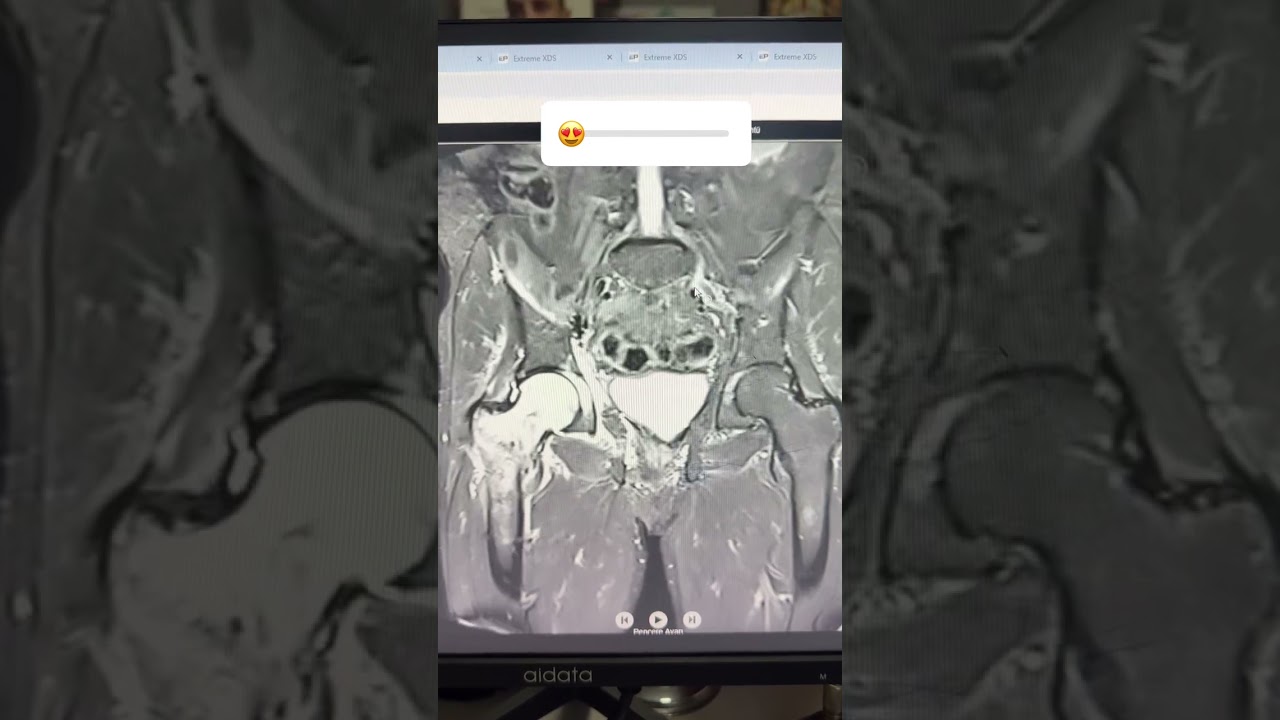
Hip Avascular Necrosis: Core Decompression and Allograft

When is Hip Replacement Surgery Necessary?

Can Sports Be Done After Hip Replacement?

How is Hip Replacement Surgery Performed?

Why is Hip Replacement Surgery Performed?

What is Hip Replacement?
Hip replacement is a surgical treatment method applied in patients with advanced cartilage loss and joint damage in the hip joint.
Hip replacement is a surgical treatment based on replacing damaged hip joint surfaces with artificial components. It aims to reduce pain and improve functional movement; suitability is determined by individual assessment.
Summary: Hip replacement is a surgical option evaluated in advanced joint damage or certain hip fractures. In osteoarthritis, the inadequacy or unsuitability of non-surgical treatments is considered. In some acute fractures, waiting for these treatments is not recommended. Recovery varies from person to person; there is a possibility of infection, clots, dislocation or revision.
What is Hip Replacement?
Hip replacement is a procedure that replaces damaged surfaces in the joint formed by the femoral head and the socket in the pelvic bone. Prosthetic surgery is a type of arthroplasty. The surfaces to be replaced are determined according to the disease. The aim is to reduce pain and support movement; it is not expected that the artificial joint will restore all the properties of the natural hip.
During the operation:
- Damaged bone and cartilage surfaces are removed.
- Appropriate prosthetic components are positioned.
Comfortable Movement with Hip Replacement
After hip replacement, walking, sitting and getting up, or carrying on daily tasks may become easier. The degree of this depends on muscle strength before surgery, joint damage, accompanying illnesses and rehabilitation. Complete pain relief or unlimited performance of all movements cannot be guaranteed. Expectations are discussed with your doctor before surgery.
Hip Joint Problems Can Be Controlled with Treatment
In hip joint problems, treatment is planned based on the cause of pain and its effect on daily life. Exercise, physiotherapy, appropriate medicines and in selected cases injections can reduce symptoms. These are not applied in the same way to everyone. When options suitable for the individual prove inadequate or are not suitable, prosthetic surgery may be considered.
In Which Diseases is Hip Replacement Applied?
Hip replacement may be considered in advanced osteoarthritis, rheumatoid joint damage, avascular necrosis or certain fractures. The name of the disease alone does not constitute a decision for surgery. Examination, imaging, loss of function and general health are evaluated together. The treatment path for acute hip fractures may differ from that for progressive joint wear.
Hip Osteoarthritis (Osteoarthritis – Coxarthrosis)
Cartilage wear can cause pain, stiffness and difficulty walking. Hip replacement may be considered in advanced disease.
Rheumatoid Arthritis and Other Rheumatological Diseases
In permanent joint damage caused by inflammatory rheumatological diseases, hip replacement may be considered.
Hip Avascular Necrosis
Impairment of blood supply to the femoral head can lead to bone collapse. Treatment depends on the stage of the disease.
Hip Fractures (Particularly in Advanced Age)
In some fractures, direct hip replacement may be required; waiting for conservative treatment to fail is not recommended.
Hip Joint Damage Following Trauma
Permanent damage resulting from intra-articular fractures or dislocations may require a prosthesis.
Joint Disorders Due to Congenital Hip Dislocation
Pain and degenerative changes resulting from structural abnormalities require individualised surgical planning.
When Is Hip Replacement Considered?
Hip replacement may be considered in patients where joint damage significantly affects daily life. The duration of pain, restriction in movement, previous treatments, and the patient's expectations are important. Age alone is not the deciding factor. Bone structure and overall health are evaluated; not every patient needs to have tried all medications, injections, or physiotherapy options.
Symptoms assessed during evaluation:
- Persistent hip pain
- Night pain
- Reduced walking distance
- Difficulty with daily activities
When Is Hip Replacement Surgery Performed in Patients with Hip Osteoarthritis?
In hip osteoarthritis, the timing of surgery is determined more by a holistic assessment of the patient than by imaging alone. The impact of pain and loss of function on quality of life, the results of appropriate non-surgical treatments, and the personal surgical risks are weighed together. Not all osteoarthritis requires a prosthesis; when surgery is considered necessary, the decision is made jointly between patient and physician.
At What Stage Is Hip Replacement Surgery Considered in Hip Osteoarthritis?
It may be evaluated in cases of advanced damage, persistent pain, or significant loss of function.
When Is a Prosthesis Not Considered?
Surgery may be deferred if symptoms can be managed with appropriate non-surgical approaches.
Is the Decision for a Prosthesis Made Solely on the Basis of X-rays?
No; examination, pain, and daily activities are evaluated together.
What Happens If Hip Replacement Surgery Is Performed Too Early?
Performing surgery without a clear need may unnecessarily expose the patient to surgical risks.
What Happens If Hip Replacement Surgery Is Delayed?
Restriction in movement and muscle weakness may increase; the progression varies from person to person.
When Should a Doctor Be Consulted for Hip Osteoarthritis?
Persistent pain, sleep disturbance, or walking difficulty warrants evaluation.
How is Hip Replacement Surgery Performed?
In hip replacement surgery, the damaged joint surfaces are removed and appropriate components are fixed to the bone. The surgical approach, anaesthesia, and prosthesis selection are determined according to the individual. After placement, joint balance, movement, and limb length are checked. Possible risks include infection, bleeding, blood vessel or nerve injury, thrombosis, dislocation, or future need for revision.
Surgical Stages of Hip Replacement
- Access to the hip joint is established.
- Damaged surfaces are prepared.
- Components are placed.
- Balance is checked and the wound is closed.
Types of Anaesthesia in Hip Replacement Surgery
General or spinal/epidural anaesthesia is selected based on the anaesthetist's assessment.
How Long Does Hip Replacement Surgery Take?
The duration varies depending on anatomy, the extent of the surgery, and the procedure to be performed.
First Hours After Surgery
General condition, pain, and circulation are monitored; safe mobilisation is planned.
What Are the Types of Hip Prosthesis?
Hip prostheses are classified according to the joint surfaces replaced and the materials used. In total replacement, both the socket and femoral head surface are changed; in partial replacement, the natural socket is preserved. Selection is based on the condition, bone structure, and functional requirements. Robotic assistance is a separate method related to surgical planning and execution, not the prosthesis material itself.
Total Hip Replacement
Both the femoral head and acetabular surfaces are replaced.
Partial (Hemiarthroplasty) Hip Replacement
In certain hip fractures, the femoral head is replaced whilst the natural socket is preserved.
According to Prosthesis Material
- Ceramic–ceramic
- Ceramic–polyethylene
- Metal–polyethylene
What Is Robotic Hip Replacement?
Robotic assistance aims for precision in planning. Depending on the system, CT/MR imaging before surgery or imageless mapping during surgery may be used; the instrument may be a robotic arm or hand-held device. It is used under the surgeon's control and does not guarantee outcomes.
What Is the Recovery Process After Hip Replacement?
Recovery after hip replacement progresses with safe mobilisation, pain management, and rehabilitation. The timing of standing and weight-bearing is determined individually. Some swelling may be seen, but new or increased swelling should be evaluated. Discharge instructions are personalised; for the emergency symptoms listed below, it is not appropriate to wait for the planned follow-up appointment.
Mobilisation (Getting Out of Bed)
Getting up is started under supervision of healthcare staff, with appropriate walking aids.
Physiotherapy and Rehabilitation Process
Exercises are progressed as shown by the physiotherapist, according to muscle strength and balance.
Recovery Time and Return to Daily Life
Return to walking without aids and daily activities is determined through individual assessment.
Important Considerations During the Post-Hip Replacement Recovery Period
Movement and positioning restrictions vary according to the surgical approach. Follow your surgeon's instructions.
One or more findings in each row may be sufficient; they do not need to be present together.
| When to seek care | Alarm signs |
|---|---|
| Call 112/emergency services immediately | Sudden shortness of breath, chest pain, fainting, coughing up blood, or rapid heartbeat |
| Call 112/emergency services immediately | Severe pain disproportionate to the injury, persistent or rapidly increasing; pain that significantly worsens with passive movement; tight swelling, numbness or weakness |
| Call 112/emergency services immediately | Coldness, paleness, discolouration, new numbness or loss of strength in the limb |
| Call 112/emergency services immediately | New confusion, slurred speech, or unstoppable bleeding |
| Call 112/emergency services immediately | Sudden severe pain, deformity, inability to move, or inability to bear weight; do not wait even if there has been a fall |
| Medical evaluation on the same day | New or increased one-sided leg swelling, leg pain, or calf tightness |
| Medical evaluation on the same day | Increasing redness, warmth, swelling, discharge at the wound, or separation of wound edges; fever is not required to be present |
| Medical evaluation on the same day | Temperature of 38°C or above, or persistent fever, with chills or deterioration in general condition; the lower threshold specified at discharge applies |
Are There Alternatives to Hip Replacement?
Alternatives to hip replacement are evaluated according to the cause of pain and the degree of joint damage. Non-surgical methods aim to reduce symptoms and support daily function. They do not replace worn joint surfaces as a prosthesis does. In patients where appropriate options are inadequate or cannot be applied, surgery may be considered; certain acute fractures require a different treatment approach.
What Are the Alternative Treatment Options to Hip Replacement?
Alternative options include individualised exercise, physiotherapy, weight management, walking aids, and medications. The evidence for injections and their intended use differ; they cannot be presented as equivalent treatments. The plan is created by evaluating expected benefits and risks. Reduction in symptoms does not mean that structural joint damage has reversed.
Medication Therapies
Medications can reduce symptoms; do not start, stop, or change the dose on your own.
Physiotherapy and Exercise Programmes
Exercises shown by the physiotherapist aim to support movement and muscle function.
Intra-Articular Injections
- Corticosteroid: May provide short-term relief in selected cases.
- Hyaluronic acid: Not recommended for hip osteoarthritis; guideline support is limited.
- PRP: Evidence is uncertain; guideline recommendations advise against its use.
Lifestyle Modifications
Appropriate weight management and individually tailored activity can reduce symptoms.
Walking Aids and Assistive Devices
Crutches or other supports should be used as demonstrated by your physiotherapist.
When Do Alternative Treatments Fall Short?
Surgery may be considered when pain and limitations in daily activities persist despite appropriate treatment.
Do Hip Replacement Alternatives Provide a Permanent Solution?
The aim is symptom control; it cannot be generalised that they slow the progression of structural damage or delay surgery.
Answers to your questions about hip replacement vary depending on the cause of your condition and your individual recovery process. The explanations below provide general guidance; your discharge plan regarding post-operative weight-bearing, movement restrictions, medication use and return to activity will be tailored to you. For emergency symptoms, seek help without waiting for your next appointment.
Frequently Asked Questions
Who is suitable for hip replacement?
It may be considered in people experiencing pain and loss of function due to advanced joint damage. For osteoarthritis, it is important that appropriate non-surgical options prove inadequate or unsuitable. Some acute hip fractures may require direct prosthetic replacement. The decision is made by evaluating examination findings, imaging, bone structure, overall health and patient expectations together.
How long does hip replacement surgery take?
Operating time varies depending on the scope of the procedure to be performed and the individual's anatomy. It is not correct to give a fixed duration that applies to every patient. Your surgeon can provide a personalised explanation by evaluating the planned procedure. The duration of surgery alone does not indicate how successful the treatment will be or how long recovery will take.
When do you get up after hip replacement?
The timing of getting up is determined by your general condition after surgery and your surgical plan. Your first attempt will be made with the help of healthcare staff. The support to be used and the amount of weight you can place on your leg will be shown to you separately. Do not act based on other patients' experiences; for a safe start, rely on your own team's assessment.
When do you walk after hip replacement?
Walking begins when your healthcare team finds it safe, using appropriate assistive equipment. Progression to walking without aids depends on muscle strength, balance and the amount of weight-bearing permitted. Use a walker or crutch as your physiotherapist demonstrates. Do not decide on your own when to stop using support based only on reduced pain; discuss this with your team.
How long does pain last after hip replacement?
The duration and severity of post-operative pain varies from person to person. Pain management and rehabilitation are planned together. If you experience sudden severe or rapidly increasing pain, emergency assessment is required; do not delay and try medication. Do not stop or change the dose of your prescribed medications on your own; share any problems with use with your treatment team for evaluation.
How long does a hip replacement last?
The lifespan of a hip prosthesis varies from person to person; no guaranteed timeframe applies to everyone. Revision surgery may be needed due to wear or loosening. Follow-up appointments continue according to your individual plan. A prosthesis that has not been revised does not necessarily mean it is painless or trouble-free; any new symptoms will be evaluated separately.
Does everything return to normal after hip replacement?
The aim is to reduce pain and make daily movements easier. The extent of this varies depending on the joint damage, muscle strength and recovery process. An artificial joint is not expected to have all the properties of a natural hip. Activity goals should be discussed before surgery and re-evaluated after surgery based on your individual function; a guarantee of complete recovery cannot be given.
Is there a leg length difference after hip replacement?
Leg length balance is checked during surgery; however, a length difference or sensation of difference may still occur. This is evaluated with clinical examination. If you feel imbalance in your walking, mention it at your follow-up appointment. Rather than making adjustments on your own, discuss the need and appropriate approach with your doctor or physiotherapist.
Is sitting and standing difficult after hip replacement?
Sitting and standing may be challenging in the early stages of recovery. Correct sitting height and movement technique should be demonstrated by your physiotherapist. Restrictions on hip movements vary depending on the surgical approach used, so not everyone follows the same rules. Follow your personalised instructions; if you struggle with a movement, ask for it to be shown again at your check-up and have the safety evaluated.
Can you climb stairs after hip replacement?
Stair use is taught by your physiotherapist according to your balance and weight-bearing plan. A walker cannot be used on a standard staircase. You should be shown how to use the handrail and appropriate assistive equipment properly. Rather than trying the steps your own way, follow the ascending and descending technique as demonstrated by your healthcare team and progress safely.
Can you drive a car after hip replacement?
Vehicle use is determined by evaluating your ability to fully control the vehicle and perform emergency braking. Medications that cause drowsiness or dizziness may compromise driving safety. Do not stop your medications on your own to be able to drive. Discuss the timing of return to driving with your doctor; do not decide based only on the time elapsed since surgery.
Can you exercise after hip replacement?
Return to exercise is planned according to the demands of the activity and your individual recovery status. Walking, swimming or low-impact activities may be considered following a suitability assessment. High-impact sports require separate discussion. The timing of starting and the level of progression is determined individually according to the recommendations of your doctor and physiotherapist.
Can the prosthesis dislocate after hip replacement?
Prosthetic dislocation is one of the possible complications. Movement restrictions vary depending on the surgical approach used; you must follow your personalised instructions. Any of the following—sudden severe pain, deformity, inability to move the joint or inability to bear weight—is sufficient reason for emergency assessment. Do not wait for your scheduled appointment; seek help immediately via 112 or your emergency department.
Is there a risk of infection after hip replacement?
Infection can develop after hip replacement surgery. Increasing redness, warmth, swelling or discharge from the wound should be evaluated the same day; fever is not expected. Separation of the wound edges also requires evaluation. If new confusion or incoherent speech develops, seek emergency assistance via 112 immediately, even without fever.
Is swelling and oedema normal after hip replacement?
Swelling can occur after surgery, but new or increasing swelling should not be regarded as normal without qualification. One-sided leg swelling, leg pain or calf tightness require evaluation the same day. Sudden shortness of breath or chest pain should be reported immediately to 112; symptoms are not expected to appear together.
Can long journeys be undertaken after hip replacement?
Plans for long journeys should be made based on your recovery status and personal thromboembolism risk assessment. The early postoperative period is also taken into account. Movement and medication routines during travel should be based on your surgeon's personalised recommendations. Do not discontinue your preventive medications on your own, change doses, or start additional medications for travel without consulting your physician.
Is air travel safe after hip replacement?
Flight safety cannot be assessed in the same way for everyone. The time since surgery, flight duration and your personal thromboembolism risk must be considered together by your surgeon. Adherence to movement recommendations alone does not provide a safety guarantee. Determine your travel timing and necessary precautions based on your treatment team's assessment.
Does weight gain after hip replacement affect the prosthesis?
An increase in body weight can increase the load on the hip joint. Weight management may be part of your personal plan for general health and function. The impact on prosthesis longevity varies from person to person. Adjust your exercise level gradually according to your recovery status, as directed by your physician or physiotherapist.
Will revision surgery be needed after hip replacement?
Not all patients require revision surgery; however, revision may be considered for wear, loosening, infection or dislocation. The decision is based on symptoms, examination and necessary investigations. New pain or loss of function requires follow-up. The fact that a prosthesis has been in use for a long time does not mean new symptoms should be accepted as normal without evaluation.
Is hip replacement suitable for everyone?
Hip replacement is not suitable for everyone experiencing hip pain. The cause of the pain and degree of joint damage are first evaluated. General health, bone structure, functional requirements and expectations are factors in the decision. If symptoms can be managed with appropriate non-surgical options, surgery may be deferred; the approach may differ for some acute fractures.
When should I see a doctor after hip replacement?
Wound discharge, increasing redness or new one-sided leg swelling should be evaluated the same day. Sudden shortness of breath, chest pain, sudden severe pain or inability to bear weight require immediate 112/emergency department attendance. Any one of the warning signs above is sufficient; do not wait for fever or other symptoms to develop. *This information is provided for guidance only and does not replace diagnosis and treatment. Please consult your physician about your symptoms.*





Schedule an Appointment
Your information will be sent to Dr. Atakan Güvendiren's clinic. A response will be provided within 24 hours.