
Prosthetic surgery more planned, more comfortable, faster recovery.
Prosthesis Prime™ is not just the operation itself, but a holistic treatment approach that encompasses preoperative preparation, early postoperative recovery and rehabilitation phases in the prosthetic surgery process.
Book Appointment
A holistic approach not limited to surgery.
Prosthesis Prime™ does not view the prosthetic surgery process as limited to surgical application alone; it addresses preoperative preparation, early postoperative recovery and follow-up processes together. As the needs of each patient may differ, evaluation and treatment planning are performed individually for each patient.
The Prosthesis Prime™ approach reflects the evaluation and follow-up method shaped by Dr. Atakan Güvendiren's clinical experience in the field of prosthetic surgery.
Benefits to the patient
- You begin the surgical process better prepared
- Physical preparation process is planned before operation
- Your body's preparation for the surgical process is supported
- A treatment and follow-up plan tailored to you is created
- Your recovery process after operation is monitored in a planned manner
- Your return to daily activities is advanced in a controlled manner
- Movement ability and muscle strength are regularly assessed
- Rehabilitation process is carried out in a planned manner
- Recovery progress is monitored through clinical follow-up
- The treatment process is made more understandable and planned for you
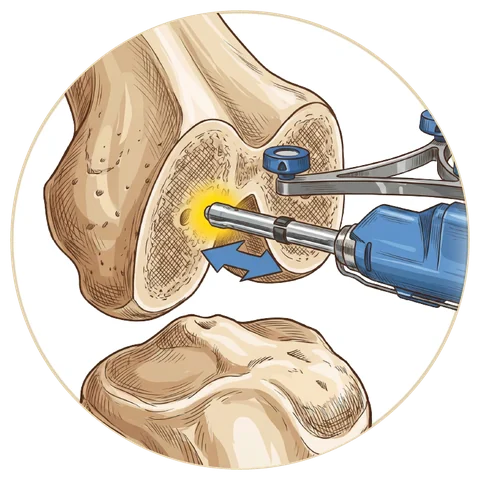
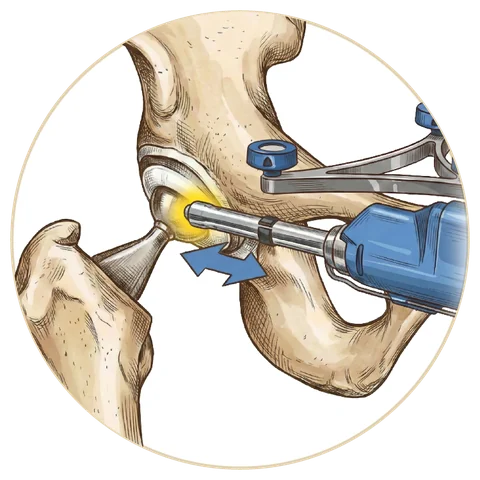
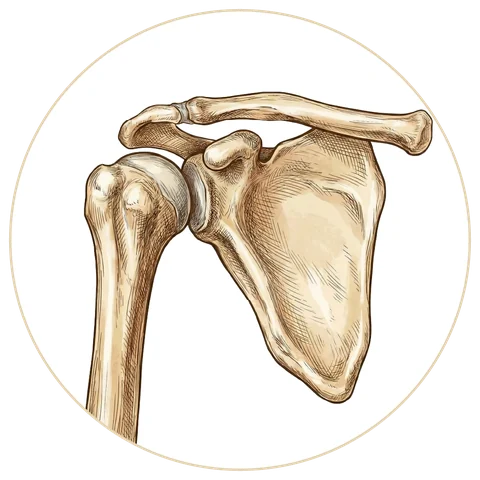
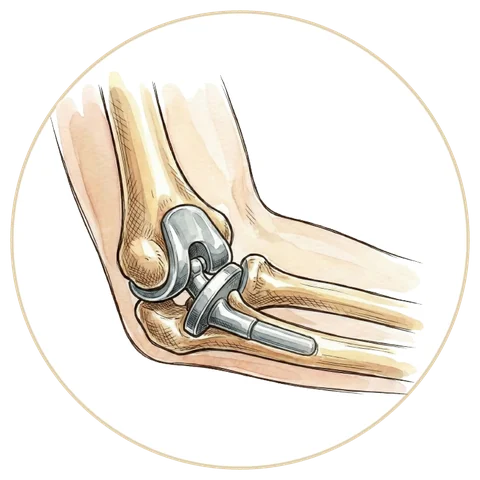
Which joints?
Pre-operative Assessment
In patients planned for prosthetic surgery, general health status, movement capacity and present complaints are assessed before operation. Based on the patient's clinical condition, laboratory findings and daily life activities, preparation for the surgical process is arranged.
Personalised Treatment Planning
Every patient's age, lifestyle and clinical condition are different. The surgical process and follow-up plan are arranged taking into account individual characteristics; the general framework of the treatment process is determined according to movement capacity, daily life needs and clinical evaluation results.
Early Post-operative Follow-up
In the early period after prosthetic surgery, the patient's movement capacity and general condition are monitored regularly. Adaptation to daily activities, movement ability and general comfort are assessed; the follow-up and rehabilitation process is advanced in a planned manner.
Clinical Review and Follow-up Process
Recovery progress is monitored through clinical follow-up at specific intervals. In these follow-up visits, the patient's functional status, movement capacity and adaptation to daily life activities are evaluated and the follow-up process is planned.
- Before Surgery
Preparation for Surgery
General health status, laboratory values, nutrition plan and physical capacity are evaluated; individual treatment planning is performed.
- Operation
Prosthetic Surgery
The prosthetic surgery is performed according to surgical planning and the early postoperative follow-up process is started.
- Weeks 1–2
Early Recovery
Movement capacity is assessed; controlled mobilisation and adaptation to daily activities are monitored.
- Weeks 3–4
Rehabilitation Process
Joint range of motion and functional capacity are assessed; the process is supported with a physiotherapy programme.
- Weeks 5–6
Muscle Strength and Movement Assessment
Muscle strength and movement capacity are assessed; functional status is reviewed and rehabilitation planning continues.
- Weeks 7–8
Clinical Follow-up
Recovery progress is monitored through clinical examination and functional assessment; where necessary, the follow-up plan is arranged by the physician.
What is prosthetic surgery?
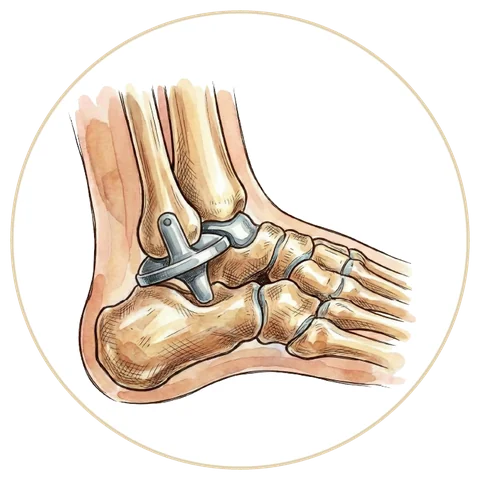
Prosthetic surgery is a surgical treatment method applied in cases where there is advanced damage or wear to a joint. In this procedure, the damaged joint surfaces are replaced with special prosthetic implants, restoring the joint's movement capacity and function.
Which joints can have prosthetic surgery?
Prosthetic surgery is most commonly performed on the knee and hip joints. However, in some patients, prosthetic surgery may be considered for the shoulder, elbow or other joints.
Who is suitable for prosthetic surgery?
Prosthetic surgery is generally considered in patients experiencing advanced joint wear, pain and limited movement. The decision is made by considering the patient's age, general health status and daily living activities.
How long does prosthetic surgery take?
The duration of prosthetic surgery can vary depending on the joint being treated and the surgical plan. In general, the operating time ranges between 1–2 hours.
How long is the hospital stay after prosthetic surgery?
The length of hospital stay can vary depending on the patient's general health status and the type of surgery. In most patients, this period may be limited to a few days.
When does walking begin after prosthetic surgery?
In many patients, controlled mobilisation can be started in the early postoperative period. This process is determined according to the patient's clinical condition and the surgeon's plan.
What is the recovery process like after prosthetic surgery?
The recovery process varies from patient to patient. In the early postoperative period, follow-up and rehabilitation are planned, and movement capacity is evaluated over time.
What is the Prosthesis Prime™ approach?
The Prosthesis Prime™ approach is a planned treatment strategy that does not limit prosthetic surgery to the surgical procedure alone; it evaluates the entire process including preoperative preparation, operation and postoperative follow-up together.
Is physiotherapy required after prosthetic surgery?
In many patients, a rehabilitation programme may be planned in the postoperative period to evaluate movement capacity and support the adaptation process to daily activities.
How long can prosthetic implants be used?
The lifespan of prosthetic implants depends on many factors. Factors such as the patient's age, activity level and joint use can affect this period.