
Robot-assisted knee replacement
Robotic knee prosthesis surgery is a modern surgical approach in which the prosthesis placement procedure is performed with the aid of robot-assisted surgical systems in patients with advanced cartilage wear and loss of function in the knee joint. With this method, the aim is to place the knee prosthesis in a manner tailored to the patient's specific anatomical structure

Dr. Atakan Güvendiren
Orthopaedics and Traumatology · Istanbul
▶ Preparation Before Knee Prosthesis Surgery: What You Need to Know
{ AI · initial information }
onlineLet's discuss prosthesis surgery
AI answers do not replace a medical diagnosis.
Short videos on the topic
All videos →Short explanations on this topic from the clinic's YouTube channel. Total of 3 videos.

The Process After Knee Replacement: When Do You Start Walking?
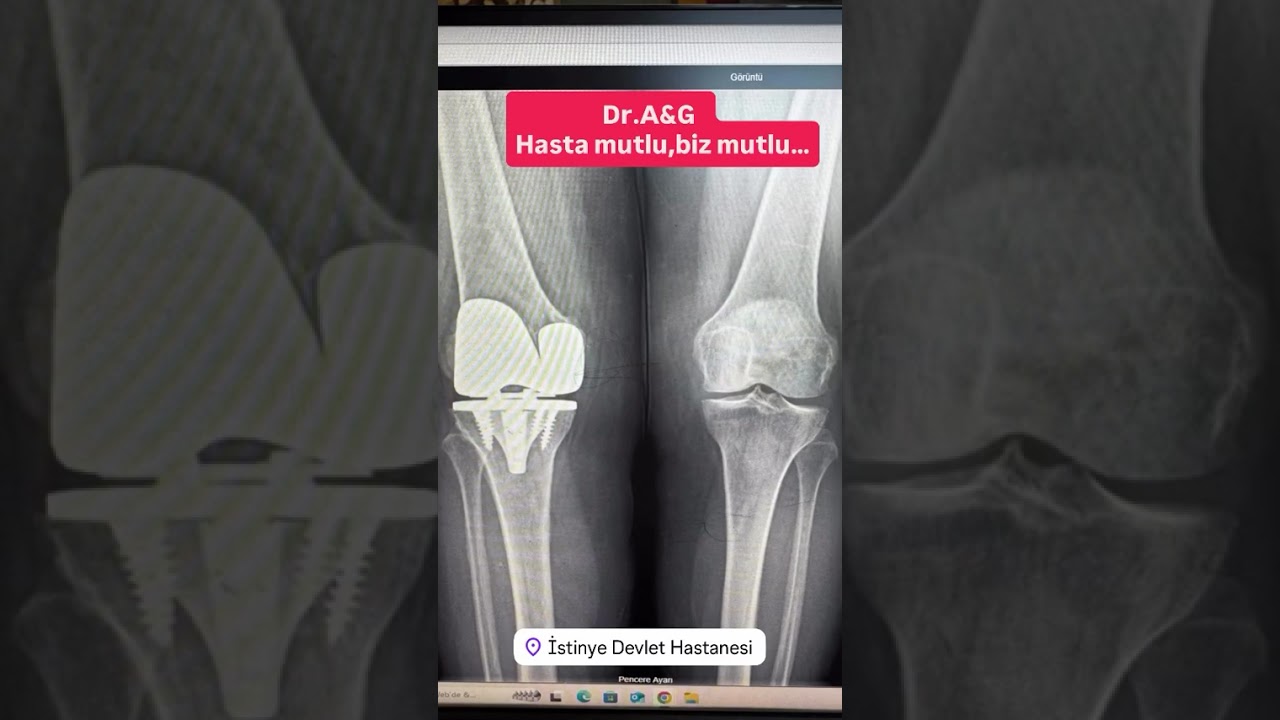
What is Cementless Knee Replacement?

What Should You Be Careful About After Knee Prosthesis Surgery?
Robotic knee prosthesis surgery is a modern surgical approach in which the prosthesis placement procedure is performed with the aid of robot-assisted surgical systems in patients with advanced cartilage wear and loss of function in the knee joint.
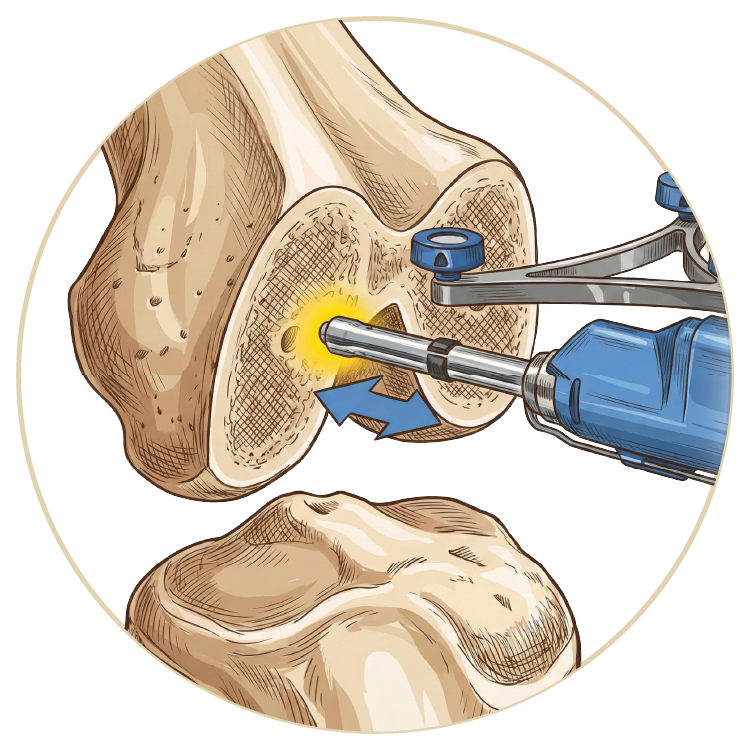
Is Knee Pain Limiting Your Daily Life?
Robotic knee prosthesis surgery is a modern surgical approach in which the prosthesis placement procedure is performed with the aid of robot-assisted surgical systems in patients with advanced cartilage wear and loss of function in the knee joint. With this method, the aim is to place the knee prosthesis in a more precise and balanced manner tailored to the patient's specific anatomical structure.
Robotic surgery is not a system that replaces the surgeon; rather, it provides technological support to the surgeon during planning and implementation stages.
Comfortable Movement with Knee Replacement
Knee prosthesis is a surgical treatment method aimed at reducing pain and improving joint function in advanced knee joint damage. "In knee joint problems, comfortable movement can be restored again with appropriate treatment."
Knee Joint Problems Can Be Managed with Treatment
Robotic knee prosthesis is a surgical treatment method performed in patients with advanced cartilage loss and joint damage in the knee joint, providing computer-assisted planning and precise placement options. This condition can cause pain, movement limitation and significant reduction in quality of life and must be treated appropriately. Treatment options include medication, physiotherapy and injections, and in cases where these methods are not beneficial, robotic knee prosthesis surgery is applied as an effective solution aimed at improving joint function and providing more balanced prosthesis placement. Dr. Atakan Güvendiren
How Does Robotic Knee Prosthesis Surgery Work?
Robotic knee prosthesis surgery is based on detailed planning conducted before and during the operation.
Before surgery:
-
The knee joint is evaluated in detail
-
Patient-specific anatomical measurements are taken
-
The prosthesis positioning angle and location are planned in advance
During the operation:
-
The robotic system provides feedback that prevents deviations from the planned boundaries
-
The surgeon performs the bone cuts and prosthesis placement under this guidance
In this way, the mechanical balance of the knee joint can be maintained more precisely.
What Is the Difference Between Robotic Knee Prosthesis and Traditional Knee Prosthesis?
In traditional knee prosthesis surgery, the surgeon places the prosthesis according to their experience and manual measurements. In robotic knee prosthesis:
-
Patient-specific planning is performed
-
Millimetre precision is targeted
-
Soft tissue balance can be maintained more precisely
These differences can provide advantages in functional outcomes, particularly in certain patient groups.
What Is the Purpose of Robotic Knee Prosthesis?
The primary goals of robotic knee prosthesis surgery are:
-
Anatomically correct positioning of the knee prosthesis
-
Preservation of knee range of motion
-
Making walking function more balanced
-
Increasing the functional benefit expected from the prosthesis
However, robotic surgery is not necessary for every patient. Suitability is determined by an orthopaedic and trauma specialist.
Is Robotic Knee Prosthesis Suitable for Every Patient?
No. Robotic knee prosthesis:
-
With advanced knee osteoarthritis
-
Planned for prosthetic surgery
-
With general health status suitable for surgery
may be preferred in some patients. The decision is made by evaluating the patient's age, bone structure, knee deformity and expectations.
Is Robotic Knee Replacement Surgery Safer?
Robotic knee replacement surgery is a technology aimed at improving surgical precision. However, the success of the procedure depends on:
-
Surgeon's experience
-
Correct patient selection
-
Appropriate rehabilitation process
and many other factors. Robotic systems do not determine the surgical decision alone.
What Are the Advantages of Robotic Knee Replacement?
Robotic knee replacement surgery is a modern approach aimed at improving surgical precision in knee joint replacement surgery. The advantages of this method may vary for each patient, and suitability must always be determined by specialist physician assessment.
Precise Implant Placement
Robotic knee replacement systems help position the prosthesis in the knee joint with patient-specific anatomic measurements through detailed pre-operative planning. This placement, performed with millimetre-level precision, can provide:
-
Better alignment with the mechanical axis of the knee joint
-
Balanced seating of prosthesis components
and similar advantages.
Better Balanced Soft Tissue Alignment
The ligaments and soft tissues around the knee are important for knee stability after prosthesis placement. Robot-assisted surgery allows soft tissue tension to be evaluated more carefully during the procedure. This can:
-
Reduce the feeling of imbalance in the knee
-
Contribute to a more natural joint sensation during movement
and similar benefits.
Faster Rehabilitation Process
After robotic knee replacement surgery, some patients may experience:
-
Earlier mobilisation
-
Quicker adaptation to physiotherapy
-
Earlier return to daily living activities
However, recovery time varies depending on the patient's age, muscle structure, and adherence to the rehabilitation programme.
Reduction of Potential Error Margin
Robotic systems provide feedback that prevents the surgeon from stepping outside planned boundaries. In this way:
-
Bone cuts can be made in a controlled manner
-
Deviations in prosthesis positioning can be minimised
Robotic surgery is a technology that supports the surgeon's decisions and must be evaluated together with the surgeon's experience.
How Is the Robotic Knee Replacement Surgery Process Performed?
The robotic knee replacement surgery process is a multi-stage approach with patient-specific planning and surgical precision at the forefront. This process consists of three fundamental stages: pre-operative assessment, surgical planning, and surgical implementation.
Pre-operative Assessment and Imaging
The robotic knee replacement process begins with a detailed clinical assessment. At this stage:
-
The patient's symptoms and daily life limitations are evaluated
-
Physical examination assesses the knee's range of motion and stability
-
X-ray and, when necessary, advanced imaging methods are used
The aim is to clarify the anatomic structure of the knee joint, the degree of cartilage damage, and suitability for prosthetic surgery.
Surgical Planning Stages
The most important difference in robotic knee replacement surgery is the detailed planning performed before surgery.
At this stage:
-
The knee joint is modelled digitally in a patient-specific manner
-
The positioning angle and location of the prosthesis are determined beforehand
-
The boundaries of bone cuts are planned
-
Soft tissue balance is taken into account
This personalised planning guides the surgeon during the operation and aims for more controlled implementation.
Surgical Implementation Steps
The operation is performed under sterile operating theatre conditions. During surgery:
-
The surgeon makes bone cuts under the guidance provided by the robotic system
-
Feedback is received to prevent stepping outside planned boundaries
-
Prosthesis components are placed in the predetermined locations
-
The knee joint's range of motion and stability are checked
The robotic system does not replace the surgeon; it is a technological assistant that supports the surgeon's experience.
How Is the Recovery Process After Robotic Knee Replacement Surgery?
The recovery process after robotic knee replacement surgery varies depending on the patient's age, general health status, muscle strength, and adherence to the rehabilitation programme. The aim is to safely regain knee function and for the patient to return in a controlled manner to daily living activities.
Hospital Stay Duration
The hospital stay after robotic knee replacement is generally kept short. In most patients:
-
Weight-bearing is targeted within the first 24 hours after surgery
-
Pain control and general condition assessment are performed
-
Early mobilisation is planned
The duration of hospital stay may vary depending on the patient's general condition and any accompanying health concerns.
Physiotherapy and Movement Programme
Physiotherapy is one of the cornerstones of recovery after robotic knee replacement. The rehabilitation process generally starts immediately after surgery.
The physiotherapy programme includes:
-
Exercises aimed at increasing knee range of motion
-
Work to support muscle strength
-
Gait training and balance exercises
Regular performance of exercises contributes to healthy progress in the recovery process.
Return to Daily Life Timeline
The time to return to daily life after robotic knee replacement varies from person to person:
-
First days: Controlled walking with walking aids
-
First weeks: Increasing independence in daily household activities
-
Progressive period: Gradual transition to climbing stairs and outdoor walking
Full functional recovery can be achieved in most patients within a few months.
Points to Consider During the Recovery Process
-
Physiotherapy and exercise programme must be followed regularly
-
Sudden movements that strain the knee should be avoided
-
Follow-up appointments must not be missed
-
Lifestyle changes recommended by the doctor should be taken into account
Frequently Asked Questions
What is robotic knee replacement surgery?
Robotic knee replacement surgery is a modern surgical method that aims to apply a prosthesis to be implanted in the knee joint using robot-assisted surgical systems in accordance with patient-specific planning. The robotic system guides the surgeon; it does not perform the surgery alone.
What is the difference between robotic knee replacement and conventional knee replacement?
In conventional knee replacement, prosthesis positioning is performed using the surgeon's manual measurements, whereas in robotic knee replacement, pre-operative planning and digital guidance during surgery are used. This can help with more precise prosthesis placement.
Can robotic knee replacement be applied to every patient?
No. Robotic knee replacement may not be necessary or suitable for every patient. The decision is made by evaluating the patient's knee structure, degree of deformity, bone quality and overall health status.
Who is robotic knee replacement more suitable for?
It may be a suitable option for some patients with advanced knee osteoarthritis, significantly reduced knee function and who are planning prosthetic surgery.
Is robotic knee replacement surgery safer?
Robotic knee replacement is a technology aimed at increasing surgical precision. However, the safety of the surgery is closely related to the surgeon's experience, patient selection and post-operative care.
Does the robot perform the surgery in robotic knee replacement?
No. The robot does not perform the surgery. The robotic system is an assistive technology that guides the surgeon's actions within planned parameters.
How long does robotic knee replacement surgery take?
The surgery duration varies depending on the patient's knee structure and the type of prosthesis to be used, but it typically takes 1–2 hours.
Is the risk of error reduced during robotic knee replacement surgery?
Robotic systems aim to reduce potential deviations by assisting in making bone cuts within planned parameters. However, results depend on many factors.
Is robotic knee replacement surgery painful?
Anaesthesia is administered during surgery, so pain is not felt. Post-operative pain varies from person to person and is managed with appropriate pain control.
Is post-operative pain less after robotic knee replacement compared to classical methods?
In some patients, pain levels may be lower due to more controlled surgery. However, this is not the case for every patient.
When can you stand up after robotic knee replacement?
Most patients are helped to stand up within the first 24 hours after surgery, under the supervision of healthcare personnel.
When can you walk after robotic knee replacement?
Walking typically begins the day after surgery with the aid of walking aids. The time to independent walking varies from person to person.
Is physiotherapy required after robotic knee replacement?
Yes. Physiotherapy is an important process for regaining muscle strength and improving knee function.
How long is the recovery period after robotic knee replacement?
Noticeable improvement in daily activities is seen in the first few weeks. Complete functional recovery can take several months.
Does the knee move more naturally after robotic knee replacement?
The prosthetic knee does not exactly mimic natural knee structure. However, correct placement can provide a more balanced movement sensation.
Can you climb stairs after robotic knee replacement?
Yes. The ability to climb stairs can be gradually regained through the rehabilitation process.
Is it possible to squat after robotic knee replacement?
Squatting depends on the type of prosthesis and the knee's range of motion. It may not be possible for every patient.
Does stiffness occur in the knee after robotic knee replacement?
Stiffness may be felt in the knee in the early period. This is usually reduced with regular exercises and physiotherapy.
Is it normal to hear sounds from the knee after robotic knee replacement?
Some patients may experience sounds from the knee in the early period. In most cases, this decreases over time and does not cause clinical problems.





Schedule an Appointment
Your information will be sent to Dr. Atakan Güvendiren's clinic. A response will be provided within 24 hours.