
Shoulder replacement
Shoulder replacement is a surgical treatment method used when advanced damage, pain and loss of movement occur in the shoulder joint. In this operation, the damaged bone and cartilage surfaces that make up the joint are removed and artificial joint components are placed in their place.
Dr. Atakan Güvendiren
Orthopaedics and Traumatology · Istanbul
{ AI · initial information }
onlineLet's discuss prosthesis surgery
AI answers do not replace a medical diagnosis.
Shoulder replacement is a surgical treatment method used when advanced damage, pain and loss of movement occur in the shoulder joint.
Is shoulder pain making your daily activities difficult?
Shoulder replacement is a surgical treatment method used when advanced damage, pain and loss of movement occur in the shoulder joint. In this operation, the damaged bone and cartilage surfaces that make up the joint are removed and artificial joint components are placed in their place. The aim is to increase the movement capability of the shoulder joint, reduce pain, and support daily life functions.
Shoulder replacement surgery is considered when adequate benefit is not seen from other treatment methods (medication, physiotherapy, injections).
Comfortable Movement with Shoulder Replacement
Advanced damage to the shoulder joint can be managed with appropriate treatment approaches. In cases where conservative methods do not provide benefit, shoulder replacement is an effective surgical treatment option aimed at reducing pain and improving movement capability.
"With appropriate treatment, comfortable movement can be restored in shoulder joint problems."
Shoulder Pain Can Be Controlled with Treatment
Shoulder replacement is a surgical treatment method used in patients with advanced cartilage loss and joint damage in the shoulder. This can lead to pain, restricted movement, and reduced quality of life. Medication treatments, physiotherapy applications and injections are preferred at the first stage. When adequate benefit is not achieved with these methods, shoulder replacement surgery is applied as an effective treatment option aimed at reducing pain and improving joint functions. Dr. Atakan Güvendiren
Anatomy and Function of the Shoulder Joint
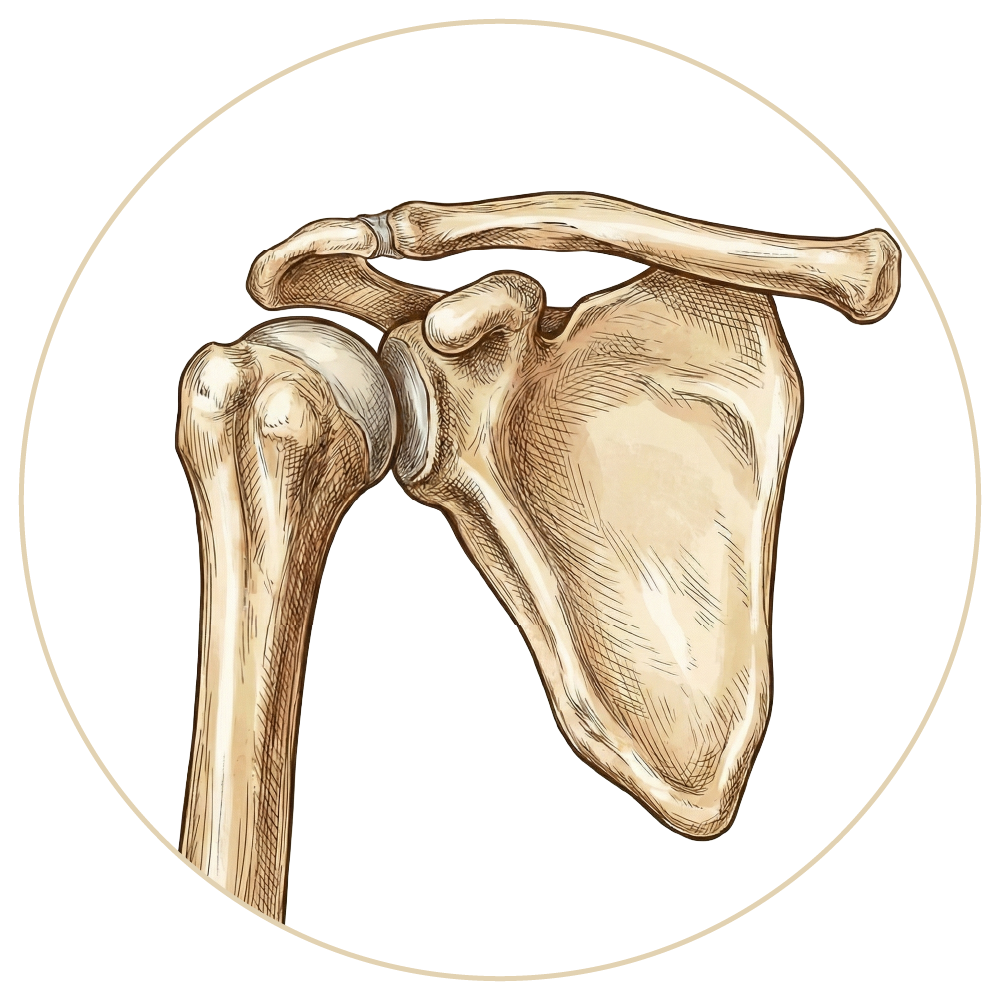
The shoulder joint is one of the most mobile joints in the human body. It is basically made up of three structures:
-
Humerus (upper arm bone)
-
Scapula (shoulder blade)
-
Clavicle (collarbone)
These bones work together with muscles, ligaments and especially rotator cuff tendons to allow the arm to be lifted, rotated and directed. This wide range of motion of the shoulder joint also makes the joint more susceptible to wear and injury.
Progressive cartilage wear, bone deformity or tendon damage can lead to pain, stiffness and restricted movement.
What Is the Basic Aim of Shoulder Replacement Surgery?
The basic aims of shoulder replacement surgery are:
-
To reduce severe shoulder pain
-
To restore joint range of motion as much as possible
-
To make daily life activities easier (such as dressing, combing hair, lifting the arm)
-
To improve quality of life by supporting joint function
Prosthetic surgery aims to mimic the biomechanics of the shoulder joint with artificial components that help the joint work more smoothly.
Why and When Is Shoulder Replacement Surgery Performed?
Shoulder replacement surgery is a surgical option that is considered when advanced damage to the shoulder joint causes pain, restricted movement and loss of function that significantly affect daily life. The decision for surgery is based not only on imaging findings but also on the severity of the patient's symptoms and their impact on quality of life.
What Symptoms and Complaints May Require Shoulder Replacement?
The following symptoms may warrant evaluation for shoulder arthroplasty:
-
Shoulder pain that worsens at rest or at night
-
Marked difficulty in raising the arm or moving it behind the back
-
Limitation in daily activities such as dressing, combing hair, reaching to shelves
-
Stiffness in the shoulder joint and reduced range of motion
-
Advanced joint deformity and loss of strength
-
Persistent symptoms despite medication and physiotherapy
These symptoms typically arise from conditions such as shoulder osteoarthritis, rheumatoid disease, severe tendon damage or complex shoulder fractures.
When Is Shoulder Arthroplasty Considered?
Shoulder arthroplasty is often regarded as a last resort treatment. Surgical intervention may be considered in the following situations:
-
Long-standing and progressive shoulder pain
-
Inadequate relief from conservative treatments
-
Advanced wear of the articular cartilage
-
Disruption of joint structure and loss of function
For each patient, the timing of surgery is planned individually.
Is Shoulder Arthroplasty Necessary for Every Patient?
No. Shoulder arthroplasty is not necessary for every patient with shoulder pain. The surgical decision is based on:
-
Patient age
-
Activity level
-
The degree of joint damage
-
General health status
and other factors, as determined by an orthopaedic and trauma specialist.
In What Conditions Is Shoulder Arthroplasty Performed?
Shoulder arthroplasty is performed when advanced structural damage to the shoulder joint causes pain, restricted movement and loss of function that significantly affect daily life. The surgical decision is made by evaluating the patient's symptoms, physical examination findings and imaging results together.
Shoulder Osteoarthritis
Shoulder osteoarthritis is a degenerative joint disease that develops as a result of cartilage wear over time. With deterioration of the cartilage surfaces:
-
Pain during movement
-
Stiffness in the joint
-
Reduced range of motion
can develop. In advanced shoulder osteoarthritis, if inadequate benefit is gained from medication and physiotherapy, shoulder arthroplasty becomes an option.
Rheumatoid Arthritis and Other Rheumatological Diseases
Rheumatoid arthritis is a chronic inflammatory disease in which the immune system damages the joints. Prolonged inflammation:
-
Damage to articular cartilage
-
Deformity in bone structure
-
Pain and loss of function
can cause. In advanced rheumatoid involvement, shoulder arthroplasty can be performed to support joint function.
Avascular Necrosis
Avascular necrosis develops when blood circulation to the bone structures that form the shoulder joint is impaired, causing damage to the bone tissue. As this condition progresses:
-
Collapse of the bone surface
-
Loss of joint congruence
-
Severe pain
can develop. In end-stage avascular necrosis, shoulder arthroplasty may be considered.
Complex Shoulder Fractures
Particularly in older patients, comminuted and intra-articular shoulder fractures can severely compromise bone integrity and joint surface. In such fractures:
-
Anatomic repair may not be possible
-
The joint surface may be permanently damaged
in these situations, shoulder arthroplasty may be an option supporting functional outcomes.
Tendon Tears and Advanced Wear
Advanced and irreparable tears of the rotator cuff tendons, which play an important role in shoulder joint stability, can gradually lead to joint surface deterioration. This condition:
-
Difficulty lifting the arm
-
Loss of strength
-
Chronic pain
may present with. Particularly in elderly patients, when significant functional loss develops, shoulder arthroplasty may be considered.
What Are the Types of Shoulder Arthroplasty?
Shoulder prostheses are surgical solutions used to reduce joint pain or discomfort, increase mobility, and improve quality of life. The type of prosthesis to be selected is determined according to the patient's joint condition, age, lifestyle and bone structure.
Total Shoulder Arthroplasty
Total shoulder arthroplasty involves replacement of both the upper arm bone (humerus) and the shoulder socket (glenoid). It is generally preferred in patients with advanced osteoarthritis, rheumatoid arthritis or severe deformity of the shoulder joint. This prosthesis aims to restore joint movement and reduce pain.
Hemi (Partial) Shoulder Arthroplasty
In hemi shoulder arthroplasty, only the upper arm bone is replaced while the socket is preserved. This method is used when damage to the socket is limited or a less invasive solution is required. The advantage is that surgical time is shorter and bone is preserved.
Reverse Shoulder Arthroplasty
Reverse shoulder arthroplasty is used when the rotator cuff muscles are severely damaged. Unlike conventional anatomic prostheses, the joint structure is reversed; thereby arm movement can be provided by the remaining intact muscles and tendons. This method achieves high success rates, particularly in cases of rotator cuff tear associated arthritis.
Custom Shoulder Prostheses
Some patients' shoulder anatomy may not be compatible with standard prostheses. Custom prostheses are designed individually using 3D planning and advanced imaging techniques. This optimises implant fit, joint function and post-operative recovery process.
How Is Shoulder Arthroplasty Performed?
Shoulder arthroplasty is a surgical treatment performed in patients experiencing advanced pain, restricted movement and loss of function in the shoulder joint. The planning and performance of the surgery may vary depending on the type of prosthesis and the patient's shoulder structure. However, the basic stages are generally similar.
Pre-operative Assessment
Before surgery, the patient's shoulder joint is evaluated in detail. Physical examination, X-ray, MRI and if necessary CT imaging are used to analyse bone structure, joint damage and rotator cuff condition. At this stage, it is decided which type of shoulder prosthesis (total, hemi, reverse or custom) is appropriate.
Surgical Procedure
Shoulder arthroplasty is typically performed under general anaesthesia and takes an average of 1–2 hours. The surgeon enters the shoulder joint through an appropriate surgical incision, cleans away damaged bone and cartilage tissue, and then places the selected prosthesis components in proper position on the bone.
-
In total shoulder arthroplasty, both the humeral head and glenoid surface are replaced.
-
In hemi shoulder arthroplasty, only the humeral head is replaced with a prosthesis.
-
In reverse shoulder arthroplasty, the joint structure is reversed and implants are positioned.
Post-operative Process
After surgery, the patient's arm is usually immobilised in a sling. Pain control is provided in the initial days and controlled movements begin in the early period. Physiotherapy and rehabilitation are critical to the success of the surgery. In most patients, pain decreases significantly and shoulder movements increase gradually.
Recovery and Return to Daily Life
Complete recovery after shoulder replacement surgery typically takes several months. This period may vary depending on the patient's age, muscle strength and the type of prosthesis used. Regular exercise and medical check-ups are important for long-term successful outcomes.
How Is the Recovery Process After Shoulder Replacement Surgery?
The recovery process after shoulder replacement surgery is one of the most important stages that directly affects the success of the operation. This process may vary from person to person depending on the type of prosthesis used, the patient's age, muscle structure and compliance with rehabilitation.
First Days After Surgery
Immediately after surgery, the patient's arm is usually supported with a sling. Pain and swelling may occur in the first few days; this is managed with pain relief medication and cold application. Hospital stay is usually between 1–3 days for most patients. During this period, the shoulder joint is protected and sudden movements are avoided.
Early Rehabilitation Phase (First 4–6 Weeks)
In the first weeks, the goal is to protect the prosthesis and support the healing process. During this period, passive shoulder exercises are usually performed. The patient does not actively strain the arm; exercises are conducted in a controlled manner under the guidance of a physiotherapist. Sling use is gradually reduced according to the surgeon's recommendation.
Mid-Term Recovery Phase
From approximately the 6th week onwards, active shoulder movements begin. Exercises aimed at building muscle strength are started during this phase. Daily activities are gradually increased, but heavy lifting and sudden strenuous movements must be avoided.
Late-Term and Complete Recovery
Complete recovery after shoulder replacement surgery is usually achieved within 3–6 months. By the end of this period, pain is significantly reduced in most patients and shoulder range of motion improves. Adherence to a regular exercise programme is critical for long-term successful outcomes.
Points to Consider During the Recovery Process
-
Follow your doctor and physiotherapist's recommendations without exception.
-
Avoid sudden and uncontrolled movements that could strain the shoulder joint.
-
Do not neglect the physical therapy process.
-
Do not miss your follow-up appointments.
Frequently Asked Questions
Is it possible to make a full recovery after shoulder replacement surgery?
Yes. In most patients, pain is significantly reduced after shoulder replacement surgery and daily activities can be performed with ease. Complete recovery is possible with adherence to regular physical therapy.
When can I lift my arm after shoulder replacement surgery?
Arm movements are controlled and limited in the first weeks. Active lifting movements can begin from approximately the 6th week onwards. This timeline may vary depending on the individual.
Can I drive a car after shoulder replacement surgery?
You are usually permitted to drive after 6–8 weeks. However, this timeframe may vary depending on which shoulder was operated on and your level of control.
Will I experience night pain after shoulder replacement surgery?
Night pain may occur in the first weeks. Over time, pain decreases and sleep quality improves significantly in most patients.
How long does physiotherapy last after shoulder replacement surgery?
Physical therapy typically lasts an average of 2–3 months. In some patients, this period may be longer.
Will my arm be as strong as before after shoulder replacement surgery?
Muscle strength can be largely regained. However, this depends on the patient's muscle condition before surgery and compliance with the rehabilitation process.
Can I lift heavy objects after shoulder replacement surgery?
Heavy lifting is generally not recommended. Light to moderate loads needed for daily life are considered safe.
Is shoulder replacement surgery risky?
Like all surgical procedures, shoulder replacement surgery carries certain risks. These risks can be minimised with an experienced team and appropriate patient selection.
Is there a risk of infection after shoulder replacement surgery?
The risk of infection is low but not completely zero. Following post-operative care and hygiene guidelines reduces this risk.
Can the prosthesis dislocate after shoulder replacement surgery?
Prosthesis dislocation is rare but can occur. Particularly in the early period, sudden and uncontrolled movements must be avoided.
Can shoulder replacement surgery be performed in advanced age?
Yes. Shoulder replacement surgery is frequently performed in elderly patients and yields successful results.
Is shoulder replacement surgery performed on younger patients?
In certain special cases, shoulder replacement can be performed in young patients. This decision is made based on the degree of joint damage.
Will there be a scar after shoulder replacement surgery?
A surgical scar remains in the shoulder area after the operation. Over time, this scar usually loses its prominence.
When can I bathe after shoulder replacement surgery?
Bathing is usually permitted after sutures are removed. This is typically around 10–14 days.





Schedule an Appointment
Your information will be sent to Dr. Atakan Güvendiren's clinic. A response will be provided within 24 hours.