
Robot-assisted hip replacement
Robotic hip replacement is a modern hip replacement surgery method performed using advanced technology-supported surgical systems and based on personalised planning. In this method, the surgeon's experience is combined with the high precision and measurement accuracy provided by robotic systems.

Dr. Atakan Güvendiren
Orthopaedics and Traumatology · Istanbul
▶ Hip Avascular Necrosis: Core Decompression and Allograft
{ AI · initial information }
onlineLet's discuss prosthesis surgery
AI answers do not replace a medical diagnosis.
Short videos on the topic
All videos →Short explanations on this topic from the clinic's YouTube channel. Total of 3 videos.

When is Hip Replacement Surgery Necessary?

Can Sports Be Done After Hip Replacement?

How is Hip Replacement Surgery Performed?
Robotic hip replacement is a modern hip replacement surgery method performed using advanced technology-supported surgical systems and based on personalised planning.
Is hip pain limiting your daily activities?
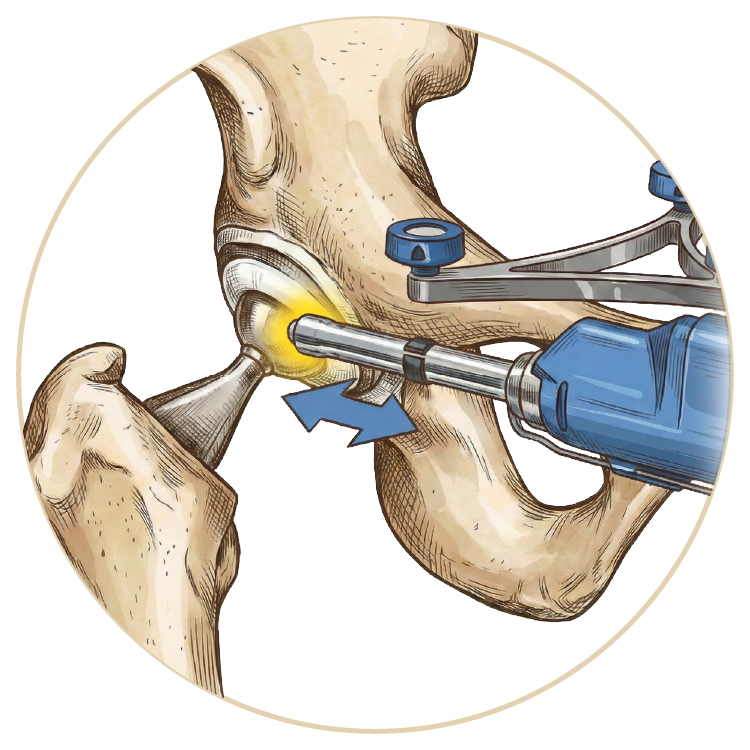
Robotic hip replacement is a modern hip replacement surgery method performed using advanced technology-supported surgical systems and based on personalised planning. In this method, the surgeon's experience is combined with the high precision and measurement accuracy provided by robotic systems. The aim is to ensure that the prosthesis components forming the hip joint are positioned at the most optimal angle and position.
Robotic systems do not replace the surgeon; they provide a technological infrastructure that supports the surgeon's decision-making process and helps reduce margin of error.
Comfortable Movement with Hip Replacement
Advanced damage developing in the hip joint can be managed with appropriate treatment approaches. In cases where conservative methods do not provide benefit, hip replacement is an effective surgical treatment option that aims to reduce pain and improve mobility. "With appropriate treatment in hip joint problems, comfortable movement can be restored."
Hip Joint Problems Can Be Controlled with Treatment
Robotic hip replacement is a surgical treatment method applied in patients with advanced cartilage loss and joint damage in the hip joint, offering computer-assisted planning and precise placement capability. This condition can lead to pain, restricted movement and decreased quality of life. Medication therapy, physiotherapy applications and injections are preferred in the first line. When these methods do not provide sufficient benefit, robotic hip replacement surgery, targeting correct-angle and balanced placement of the prosthesis, is applied as an effective treatment option that aims to reduce pain and improve joint function. Dr. Atakan Güvendiren
What Does Robotic Hip Replacement Mean?
Robotic hip replacement surgery begins with creating a three-dimensional hip joint model using imaging data (CT or MRI) obtained before surgery. Using this model:
-
Prosthesis size
-
Prosthesis positioning angle
-
Limb length balance
-
Joint range of motion
are planned in advance. During surgery, the robotic system provides the surgeon with real-time feedback in line with this plan.
What is the Difference Between Robotic Hip Replacement and Classical Hip Replacement?
In classical hip replacement surgery, the surgeon places the prosthesis based on anatomical references and experience. In robotic hip replacement:
-
Measurements are made digitally
-
Millimetric deviations are kept under control
-
Better adaptation to patient-specific anatomy is targeted
This aims to support the long-term adaptation of the prosthesis and joint biomechanics.
Why is Robotic Hip Replacement Preferred?
Among the reasons for preferring robotic-assisted hip replacement surgery are:
-
High accuracy in prosthesis positioning
-
Better protection of soft tissues
-
Balanced achievement of joint stability
-
Increased functional adaptation after surgery
However, robotic surgery may not be suitable for every patient; the decision must be made by an orthopaedic specialist.
Who May Be Suitable for Robotic Hip Replacement?
Robotic hip replacement is generally considered in:
-
Advanced hip osteoarthritis (coxarthrosis)
-
Serious structural deterioration in the hip joint
-
Patients with previous hip surgery whose anatomy has changed
-
Situations involving risk of limb length discrepancy
are evaluated in such special patient groups.
What are the Advantages of Robotic Hip Replacement?
Robotic hip replacement is a method that supports the surgeon's experience with advanced technology. The aim is to ensure that the hip prosthesis is placed with personalised anatomical adaptation and high precision. Robotic systems support the surgeon's decisions and increase measurement accuracy.
Personalised Surgical Planning
Thanks to three-dimensional imaging performed before surgery in robotic hip replacement:
-
The patient's bone structure is analysed in detail
-
Prosthesis size and positioning angle are planned in advance
-
A positioning consistent with joint biomechanics is targeted
This approach provides a more personalised plan compared to surgeries based on standard measurements.
High Precision in Prosthesis Placement
Robotic systems provide millimetric measurement and directional control during prosthesis placement into bone. In this way:
-
The risk of prosthesis placement at the wrong angle is reduced
-
Joint stability is sought to be made more balanced
-
Long-term prosthesis adaptation is supported
Better Protection of Soft Tissues
During robotic surgery, muscles, ligaments and soft tissues around the joint can be protected more carefully. This:
-
Reduces surgical trauma
-
Supports more balanced movement adaptation after surgery.
More Accurate Limb Length Balance
One of the most sensitive issues in hip replacement surgery is limb length equalisation. Robotic hip replacement:
-
Allows real-time measurement during surgery
-
Helps reduce risk of limb length discrepancy
in terms of advantage.
Support for Functional Adaptation After Surgery
Robotic-assisted surgery aims to position the prosthesis more compatibly within the hip joint's range of motion. This:
-
Joint adaptation in daily movements
-
May support more balanced gait pattern.
Safe and Controlled Working Area for the Surgeon
Robotic systems provide the surgeon with:
-
Alert when planned boundaries are exceeded
-
Real-time feedback
-
Measurement verification
increases surgical control through precision.
More Predictable Outcomes in Selected Patient Groups
In particular:
-
Advanced hip osteoarthritis
-
Patients with altered anatomical structure
-
Individuals who have previously undergone hip surgery
in such special circumstances, robotic systems can make surgical planning more predictable.
Is Robotic Hip Replacement Necessary for Every Patient?
No. Robotic hip replacement is not mandatory or the only option for every patient. Factors such as the patient's:
-
age
-
Bone quality
-
General health status
-
Level of daily activity
are evaluated, and the appropriate method is determined by an orthopaedic specialist.
How is Pre-operative Assessment Carried Out for Robotic Hip Replacement?
The success of robotic hip replacement surgery depends not only on the surgical technology itself, but also on the detailed and accurate assessment conducted before the operation. In this process, the patient's clinical condition, the structure of the hip joint, and overall health status are addressed comprehensively. The aim is to create the most suitable surgical plan for the individual.
Clinical Examination and Findings
Pre-operative assessment begins with a detailed orthopaedic examination. In this examination:
-
Duration and severity of hip pain
-
Impact of pain on daily life and walking
-
Joint range of motion
-
Difference in leg length
-
Gait pattern and balance status
are assessed. The treatments previously received by the patient (medications, physiotherapy, injections) and the patient's response to these treatments are also taken into consideration.
Clinical findings reveal the functional status of the hip joint and provide important clues regarding the need for surgery.
Radiological Investigations
Imaging methods play a critical role in robotic hip replacement planning. The most commonly used radiological investigations are:
-
Direct hip radiographs (X-ray)
-
Computed tomography (CT)
-
Magnetic resonance imaging (MRI) when necessary
Through these imaging studies:
-
Degree of cartilage wear
-
Quality of bone structure
-
Joint deformities
-
Anatomical features of the femur and acetabulum
are analysed in detail. In particular, CT images provide an important foundation for three-dimensional planning used in robotic surgery.
Personalised Surgical Planning Process
One of the most distinctive stages of robotic hip replacement is personalised surgical planning. Using the clinical and radiological data obtained:
-
Type and size of the implant
-
Positioning angles
-
Targets for range of motion
-
Limb length balance
are planned digitally before surgery. This plan is prepared to guide the surgeon through the robotic system during the operation.
Through personalised planning, the surgical process becomes more predictable and aims to achieve joint biomechanical alignment.
Why is Pre-operative Assessment Important?
Comprehensive assessment conducted before robotic hip replacement surgery:
-
Supports appropriate patient selection
-
Helps in foreseeing surgical risks in advance
-
Aims to improve functional recovery after surgery
For this reason, an individualised assessment process, rather than a standard one, is applied for each patient.
How is Recovery and Rehabilitation Following Robotic Hip Replacement?
The recovery process following robotic hip replacement surgery may vary depending on the patient's age, general health status, muscle strength, and pre-operative functional capacity. Since robotic-assisted surgery aims for more balanced implant positioning, it may contribute to a more controlled and predictable progression of the rehabilitation process.
Hospital Stay Duration
Following robotic hip replacement surgery, patients are generally:
- Monitored in hospital for 1–3 days.
During this period:
-
Pain is managed
-
Measures are taken against infection and blood clot risks
-
Early mobilisation is started
Within the first 24 hours after surgery, the majority of patients are helped up in a controlled manner.
Physiotherapy and Rehabilitation Programme
Physiotherapy is one of the fundamental building blocks of recovery following robotic hip replacement. The rehabilitation programme is generally planned in phases:
Early Phase (First days):
-
Exercises in bed
-
Ankle and knee movements
-
Light exercises to support circulation
Intermediate Phase (First weeks):
-
Walking training
-
Exercises aimed at strengthening the muscles around the hip
-
Balance and coordination training
Later Phase:
-
Functional exercises
-
Movement training for daily activities
The aim is to increase muscle strength and support the implant's integration with the joint.
Return to Daily Life Timeline
Return to daily life after robotic hip replacement varies from person to person, but generally follows:
-
Day 1: Getting up and walking with assistance
-
1–2 weeks: Independent movement within the home
-
3–6 weeks: Return to the majority of daily activities
-
2–3 months: More comfortable and safer walking
-
3–6 months: Substantial completion of functional recovery
During this process, patients' adherence to recommendations from their doctor and physiotherapist positively influences the recovery process.
What Factors Affect the Recovery Process?
-
Patient's age and general health status
-
Pre-operative muscle strength
-
Regular physiotherapy adherence
-
Compliance with recommended guidelines in daily life
The recovery process should be individually evaluated for each patient.
Is hip pain limiting your daily activities?
Hip replacement is the procedure in which the damaged hip joint is replaced with artificial joint surfaces. The hip joint is formed by the femoral head (head of the femur) and the socket in the pelvis (acetabulum). As the cartilage covering these surfaces wears down, pain and restricted movement develop.
In hip replacement surgery:
-
Damaged bone and cartilage tissues are cleaned away
-
Prosthetic components made from metal, ceramic or specialised plastic are inserted in their place
Comfortable Movement with Hip Replacement
Advanced damage developing in the hip joint can be managed with appropriate treatment approaches. In cases where conservative methods do not provide benefit, hip replacement is an effective surgical treatment option that aims to reduce pain and improve mobility. "With appropriate treatment in hip joint problems, comfortable movement can be restored."

Dr. Atakan Güvendiren
Orthopaedic and Trauma Specialist
Dr. Atakan Güvendiren specialises in musculoskeletal system disorders, joint replacements and orthopaedic surgery, offering patients evidence-based, safe and individualised treatment approaches. His clinical practice focuses particularly on knee, hip and shoulder joint problems, osteoarthritis, traumatic injuries and prosthetic surgery.
Nowadays orthopaedic diseases can significantly affect daily living quality due to pain and movement restriction. When diagnosing and treating, Dr Atakan Güvendiren does not only consider surgical options; he also evaluates physiotherapy, injection treatments and conservative methods to create the most suitable treatment plan for his patient.
The aim of prosthetic surgery is not only to reduce pain; it is to enable the patient to move safely, return to daily life comfortably, and preserve joint function in the long term. Pre-operative assessment, post-operative rehabilitation and regular follow-up are of great importance in this process.
Dr Atakan Güvendiren aims to provide each patient with an individualised, sustainable and safe treatment process by following scientific guidelines, using current surgical techniques and modern orthopaedic practices in his treatments.
Hip Joint Problems Can Be Controlled with Treatment
Hip replacement is a surgical treatment method used in patients who have advanced cartilage loss and joint damage in the hip joint. This condition can lead to pain, movement restriction and reduced quality of life. Medications, physiotherapy and injections are preferred as first-line treatment. When these methods do not provide sufficient benefit, hip replacement surgery is an effective treatment option aimed at reducing pain and improving joint function. Dr Atakan Güvendiren
In Which Diseases is Hip Replacement Applied?
Hip replacement surgery is a surgical treatment option used in patients with advanced damage in the hip joint, severe pain and marked movement restriction. The primary aim is to improve joint function, reduce pain and enable the patient to carry out daily living activities more comfortably.
Hip replacement usually becomes necessary in cases where conservative treatments have not provided sufficient benefit and irreversible deterioration has developed in joint structure.
Hip Osteoarthritis (Osteoarthritis – Coxarthrosis)
Hip joint osteoarthritis is a degenerative disease that develops as the cartilage tissue covering the joint surfaces gradually wears away. This condition:
-
Hip pain
-
Joint stiffness
-
Walking difficulties
-
Reduced range of motion
can lead to such complaints.
In advanced-stage hip osteoarthritis that cannot be controlled with medication, intra-articular injections, physiotherapy and lifestyle modifications, hip replacement surgery can be an effective option.
Rheumatoid Arthritis and Other Rheumatological Diseases
Rheumatoid arthritis is a chronic inflammatory disease that develops when the immune system attacks the joints. Over time, in the hip joint:
-
Cartilage loss
-
Bone tissue damage
-
Severe functional loss can develop.
In advanced rheumatoid hip involvement, total hip replacement can be used to control pain and restore movement capability.
Hip Avascular Necrosis
Hip avascular necrosis develops when blood circulation to the head of the femur is impaired, causing the bone tissue to lose its vitality. As the disease progresses:
-
The bone structure collapses
-
The joint surface deteriorates
-
Severe hip pain develops
Although different treatments can be attempted in early stages, hip replacement surgery may be needed in advanced avascular necrosis cases.
Hip Fractures (Particularly in Advanced Age)
Hip fractures, particularly in the elderly, may in some cases require prosthetic surgery. Taking into account the type of fracture, bone quality and the patient's general condition:
-
Partial hip replacement
-
Total hip replacement
may be applied.
The aim is to get the patient up and moving and restore mobility in the shortest possible time.
Hip Joint Damage Following Trauma
Following intra-articular fractures of the hip joint:
-
Intra-articular fractures
-
Acetabular (hip socket) fractures
-
Traumatic hip dislocations
permanent cartilage damage can develop over time. This can lead to pain and functional loss in the following periods, creating a need for hip replacement.
Joint Disorders Due to Congenital Hip Dislocation
When congenital hip dislocation is not identified and treated in the early period, it can cause serious structural abnormalities in the hip joint at advanced ages. In these patients:
-
Early-onset osteoarthritis
-
Pain
-
Walking disorder
may occur. Hip replacement surgery can be used when conservative methods are insufficient.
When Is Hip Replacement Considered?
-
If you have continuous and increasing hip pain
-
If your walking distance has markedly decreased
-
If nighttime pain has started
-
If daily living activities have become difficult
-
If you have not benefited from medications, physiotherapy and injections
hip replacement treatment can be considered.
When Is Hip Replacement Surgery Performed in Patients with Hip Osteoarthritis?
Hip osteoarthritis is a progressive disease that develops as the cartilage tissue covering the joint surfaces gradually wears away. Hip replacement surgery is not required at every stage of the disease. The decision for hip replacement is made by evaluating the severity of complaints, their effect on daily life and the response to other treatments.
At What Stage Is Hip Replacement Surgery Considered in Hip Osteoarthritis?
Hip replacement is generally considered in advanced osteoarthritis cases. The presence together of the following findings may suggest a need for replacement:
-
Continuous and progressively increasing hip pain
-
Onset of pain at rest and nighttime pain
-
Marked reduction in walking distance
-
Difficulty with daily activities such as climbing stairs and getting up from sitting
-
Marked stiffness and restriction in hip movements
These signs may indicate that cartilage loss in the joint surface has reached an advanced stage.
When Is a Prosthesis Not Considered?
In early or intermediate stages of hip osteoarthritis:
-
Medication therapies
-
Physiotherapy and exercise programmes
-
Intra-articular injections
-
Weight control and lifestyle modifications
can control the complaints, hip replacement surgery is usually postponed.
Is the Decision for a Prosthesis Made Solely on the Basis of X-rays?
No. The decision for hip replacement is not made solely on imaging findings. In the assessment process:
-
The patient's pain level
-
Quality of daily life
-
Physical examination findings
-
Radiological imaging
are considered together. In some patients, although advanced osteoarthritis is seen on X-ray, complaints may be limited, whereas in some patients, even if images appear less severe, pain may be marked.
What Happens If Hip Replacement Surgery Is Performed Too Early?
Performing hip replacement too early may lead to additional surgical requirements in subsequent years related to prosthesis longevity. For this reason, the decision for surgery is made taking into account the patient's age, activity level and expectations.
What Happens If Hip Replacement Surgery Is Delayed?
Postponing surgery for a long time in advanced hip osteoarthritis:
-
Increased movement restriction
-
Muscle weakness
-
Establishment of walking disorders
can be the cause. This condition may also complicate the post-operative rehabilitation process.
When Should a Doctor Be Consulted for Hip Osteoarthritis?
-
If hip pain persists despite medication
-
If there is pain that wakes you from sleep at night
-
If walking distance is gradually shortening
-
If daily living activities are noticeably becoming more difficult
an orthopaedic and trauma surgeon should be consulted.
How is Hip Replacement Surgery Performed?
Hip replacement surgery is a surgical procedure that aims to replace a severely damaged hip joint with artificial joint components. The operation is performed under sterile operating room conditions, taking into account the patient's general health status and joint structure.
The purpose is to remove painful and dysfunctional joint surfaces, increase the hip joint's range of motion, and enable the patient to carry out daily living activities more comfortably.
Surgical Stages of Hip Replacement
Hip replacement surgery is performed following specific surgical steps:
-
Accessing the hip joint The surgeon uses an appropriate surgical approach to access the hip joint. The selected method is determined according to the patient's anatomy, the extent of joint damage, and the surgeon's preference.
-
Removal of damaged joint tissue Worn or damaged cartilage and damaged bone surfaces are carefully removed. This step is important for allowing the prosthesis to be placed on healthy bone surfaces.
-
Placement of prosthetic components A hip prosthesis typically consists of two main components:
-
The socket (acetabular component) placed in the pelvic bone
-
The femoral component placed inside the thigh bone
These components are selected in dimensions appropriate to the bone structure and are secured to the bone.
-
Joint alignment and stability assessment After the prosthesis is placed, the hip joint's range of motion, stability, and length balance are checked. The aim is to achieve function as close as possible to natural joint movement.
-
Closure and completion of surgery The surgical site is closed in layers and the operation is completed.
Types of Anaesthesia in Hip Replacement Surgery
Different anaesthesia methods can be used in hip replacement surgery:
-
General anaesthesia: The patient is fully asleep for the duration of the operation.
-
Spinal or epidural anaesthesia: With this method applied in the lower back region, the patient can remain awake but there is no pain sensation in the surgical area.
Which anaesthesia method will be preferred is determined according to the patient's age, additional medical conditions, general health status, and the anaesthetist's assessment.
How Long Does Hip Replacement Surgery Take?
The duration of hip replacement surgery can vary depending on the type of prosthesis to be applied and the patient's anatomical features. On average, the operation may last between 1–2 hours.
First Hours After Surgery
Following surgery, the patient is kept under close observation. Pain control is established and once the patient's general condition becomes stable, planning for early mobilisation is initiated.
What Are the Types of Hip Prosthesis?
Hip prostheses vary depending on the patient's age, bone structure, and expectations.
Total Hip Replacement
It is the most common procedure in which the entire hip joint is replaced.
Partial (Hemiarthroplasty) Hip Replacement
It is typically used in hip fractures, where only the head of the thigh bone is replaced.
According to Prosthesis Material
-
Ceramic–ceramic
-
Ceramic–polyethylene
-
Metal–polyethylene
What Is Robotic Hip Replacement?
Robotic hip replacement is a technology-assisted approach that offers pre-operative planning and precise component placement during surgery. The aim is to position the prosthesis in a more anatomically correct location.
Robotic surgery is not necessary for every patient. Suitability is determined by the specialist surgeon's assessment.
What Is the Recovery Process After Hip Replacement?
The post-operative process following hip replacement surgery can vary according to the patient's general health status, type of prosthesis used, surgical technique, and individual recovery capacity. In the post-operative period, the aim is for the patient to safely get up and walk, have pain controlled, and gradually regain hip function.
Mobilisation (Getting Out of Bed)
Patients with hip replacements are usually helped to their feet within the first 24 hours after surgery. Early mobilisation:
-
Supports the circulatory system
-
Reduces the risk of clot formation
-
Contributes to faster muscle recovery
In the first days, walking is performed with assistive devices such as a walking frame or crutches, under the supervision of healthcare staff. The amount of weight bearing is determined according to the type of prosthesis used and the doctor's assessment.
Physiotherapy and Rehabilitation Process
Physiotherapy is one of the most important steps in recovery following hip replacement. The rehabilitation programme usually begins immediately after surgery.
The main aims of physiotherapy are:
-
Strengthening the muscles around the hip
-
Maintaining joint range of motion
-
Correcting the walking pattern
-
Enabling safe return to daily living activities
In the initial phase, simple exercises are started, and in the following weeks, work aimed at increasing muscle strength and balance is added. Exercises must always be performed on the advice of a specialist.
Recovery Time and Return to Daily Life
Recovery time following hip replacement varies from person to person.
-
Return to daily activities: Light household activities usually become possible within a few weeks.
-
Walking: Assisted walking in the first weeks, and unsupported walking can usually be achieved within a few weeks to several months in most patients.
-
Full functional recovery: Complete restoration of muscle strength and joint function typically takes several months.
In this process, the patient's adherence to exercises, weight control, and compliance with doctor's recommendations directly affect the speed of recovery.
Important Considerations During the Post-Hip Replacement Recovery Period
-
Sudden turning and forceful movements should be avoided
-
Low sitting positions should be avoided
-
Regular adherence to the walking and exercise programme recommended by the doctor is essential
-
Do not miss your follow-up appointments.
Are There Alternatives to Hip Replacement?
Hip replacement is an effective surgical treatment method for advanced-stage hip joint diseases. However, not every hip pain or every case of osteoarthritis requires a prosthesis. Depending on the stage of the disease, the extent of joint damage, and its impact on the patient's quality of life, alternative treatment options to hip replacement may be considered.
Alternative methods are usually used in early and middle-stage hip joint diseases and aim to reduce pain and preserve the patient's functional capacity.
What Are the Alternative Treatment Options to Hip Replacement?
Medication Therapies
Painkillers and anti-inflammatory medications can help control hip pain. These treatments do not reverse joint damage but aim to reduce symptoms.
Physiotherapy and Exercise Programmes
Strengthening the muscles around the hip helps reduce the load on the joint. Regular physiotherapy:
-
Supports range of motion
-
Improves muscle balance
-
Can make daily living activities easier
Intra-Articular Injections
In suitable patients, certain injections administered into the joint can provide temporary relief:
-
Hyaluronic acid
-
Corticosteroid
-
Biological applications such as PRP
These methods can delay surgery but do not offer a permanent solution in advanced-stage joint wear.
Lifestyle Modifications
Weight control reduces the load on the hip joint. In addition:
-
Regular and controlled exercise
-
Avoiding activities that strain the joint
can help reduce symptoms.
Walking Aids and Assistive Devices
Walking aids or supportive devices can provide temporary relief by reducing joint load, particularly during painful periods.
When Do Alternative Treatments Fall Short?
Hip replacement may be a more suitable option in the following circumstances:
-
If advanced cartilage loss is present
-
If there is persistent and severe pain
-
If night pain has started
-
If walking distance is significantly reduced
-
If quality of life has declined despite other treatments
Do Hip Replacement Alternatives Provide a Permanent Solution?
Alternatives to hip replacement generally aim to slow disease progression and control symptoms. In advanced hip joint damage, these methods do not provide a permanent solution, but may delay the need for surgery in suitable patients.
Frequently Asked Questions
What is robotic hip replacement?
Robotic hip replacement is hip replacement surgery performed using robotic-assisted surgical systems. These systems provide the surgeon with pre-operative planning and intraoperative measurement guidance.
Is robotic hip replacement surgery suitable for everyone?
No. Robotic hip replacement is not necessary or suitable for every patient. The decision is made by evaluating the patient's age, bone structure, overall health status and degree of joint damage.
What is the main difference between robotic hip replacement and conventional hip replacement?
The main difference is in the measurement and planning method during implant placement. In robotic surgery, patient-specific digital planning and real-time feedback are provided.
How long does robotic hip replacement surgery take?
The surgery duration varies depending on the patient and surgical planning. It is typically completed within 1–2 hours.
Will there be pain after robotic hip replacement surgery?
Post-operative pain varies from patient to patient. Pain control is managed systematically through modern anaesthesia and medication protocols.
When can I walk after robotic hip replacement?
Most patients are mobilised with assistance within the first 24 hours after surgery.
Is physiotherapy mandatory after robotic hip replacement?
Yes. Physiotherapy is important for regaining muscle strength and ensuring integration of the prosthesis with the joint.
Is robotic hip replacement long-lasting?
Hip prostheses are designed for long-term use. The lifespan of the prosthesis may vary depending on the surgical technique, the patient's lifestyle and bone structure.
Are the benefits of robotic hip replacement permanent?
The aim of robotic surgery is to support correct prosthesis placement. Long-term outcomes are related to patient compliance and regular follow-up.
How long does it take to return to normal daily activities after robotic hip replacement?
Return to daily activities usually occurs within 3–6 weeks. Full functional recovery may take several months.
Can I play sport after robotic hip replacement?
Low-impact activities may be performed with medical approval. High-impact sports are generally not recommended.
Is robotic hip replacement surgery risky?
As with any surgical procedure, there are risks. Appropriate patient selection and an experienced team help minimise these risks.
Can prosthesis dislocation occur after robotic hip replacement surgery?
Prosthesis dislocation is a rare occurrence. Robotic planning aims to support joint stability, although it cannot be completely eliminated.
Is robotic hip replacement covered by public or private insurance?
Coverage varies depending on the hospital, the technology used and the insurance policy.
Will there be a difference in leg length after robotic hip replacement surgery?
Robotic systems help achieve leg length balance. However, zero difference may not be achieved in every patient.
When can I drive a car after robotic hip replacement?
Generally, car use can be evaluated with medical approval 4–6 weeks after surgery.
Does robotic hip replacement require revision surgery?
Prostheses are designed for long-term use. Revision surgery may rarely be needed if there is wear or loosening.
Who is suitable for hip replacement?
Hip replacement is suitable for patients who suffer pain and restricted movement due to advanced hip osteoarthritis, rheumatological conditions, hip fractures or joint damage, and who have not benefited from other treatments.
How long does hip replacement surgery take?
Hip replacement surgery typically lasts 1–2 hours. The duration may vary depending on the patient's anatomical structure and the type of prosthesis to be used.
When do you get up after hip replacement?
Most patients are assisted to their feet within the first 24 hours after surgery.
When do you walk after hip replacement?
Walking typically begins on the day after surgery with the help of walking aids. Time to walk without support varies from person to person.
How long does pain last after hip replacement?
Post-operative pain is more pronounced in the first few days. With appropriate pain control and physiotherapy, it decreases significantly within weeks.
How long does a hip replacement last?
Hip prostheses in current use can last an average of 15–20 years or longer. This duration depends on the patient's weight, activity level and prosthesis use.
Does everything return to normal after hip replacement?
Hip replacement helps reduce pain and increase mobility. However, the joint should not be expected to return completely to its natural state.
Is there a leg length difference after hip replacement?
Leg length balance is checked during surgery. Minimal difference may rarely be felt, but in most patients it does not create a clinical problem.
Is sitting and standing difficult after hip replacement?
In the early stages, low chairs should be avoided. Over time, sitting and standing become easier.
Can you climb stairs after hip replacement?
Yes. With physiotherapy, the ability to climb stairs is gradually regained.
Can you drive a car after hip replacement?
Usually, car use is possible a few weeks later, when reflexes and muscle strength are adequate. The timing is determined according to the doctor's recommendation.
Can you exercise after hip replacement?
High-impact sports should be avoided. Walking, swimming and low-impact activities are generally suitable.
Can the prosthesis dislocate after hip replacement?
Prosthesis dislocation is rarely seen. Adhering to the recommended movement restrictions, especially in the early period, helps reduce this risk.
Is there a risk of infection after hip replacement?
As with any surgical procedure, there is a risk of infection, but with proper precautions, this risk is low.
Is swelling and oedema normal after hip replacement?
Yes. Swelling may be seen in the first few weeks after surgery and gradually decreases.
Can long journeys be undertaken after hip replacement?
In the early period, long periods of immobility should be avoided. Travel can be undertaken after the period recommended by the doctor.
Is air travel safe after hip replacement?
It is generally safe, although movement recommendations should be followed to prevent blood clot risk.
Does weight gain after hip replacement affect the prosthesis?
Excessive weight increases the load on the prosthesis. Weight management is important for the longevity of the prosthesis.
Will revision surgery be needed after hip replacement?
Over time, the prosthesis may loosen or wear. In such cases, revision surgery may be needed, although this is not seen in all patients.
Is hip replacement suitable for everyone?
No. The decision is made by evaluating the patient's age, bone structure, general health status and expectations.
When should I see a doctor after hip replacement?
If you experience increased pain, fever and redness develop, sudden movement restriction occurs, or problems arise during walking, you must contact your doctor.





Schedule an Appointment
Your information will be sent to Dr. Atakan Güvendiren's clinic. A response will be provided within 24 hours.