
Shoulder Disorders
Shoulder disorders encompass various clinical conditions affecting the bone, muscle, tendon, ligament, and joint capsule that make up the shoulder joint.

Dr. Atakan Güvendiren
Orthopaedics and Traumatology · Istanbul
▶ When Should Rotator Cuff Tear Be Operated On?
{ AI · initial information }
onlineLet's talk about your shoulder
AI answers do not replace a medical diagnosis.
Short videos on the topic
All videos →Brief explanations of this topic from the clinic's YouTube channel. Total 2 videos.
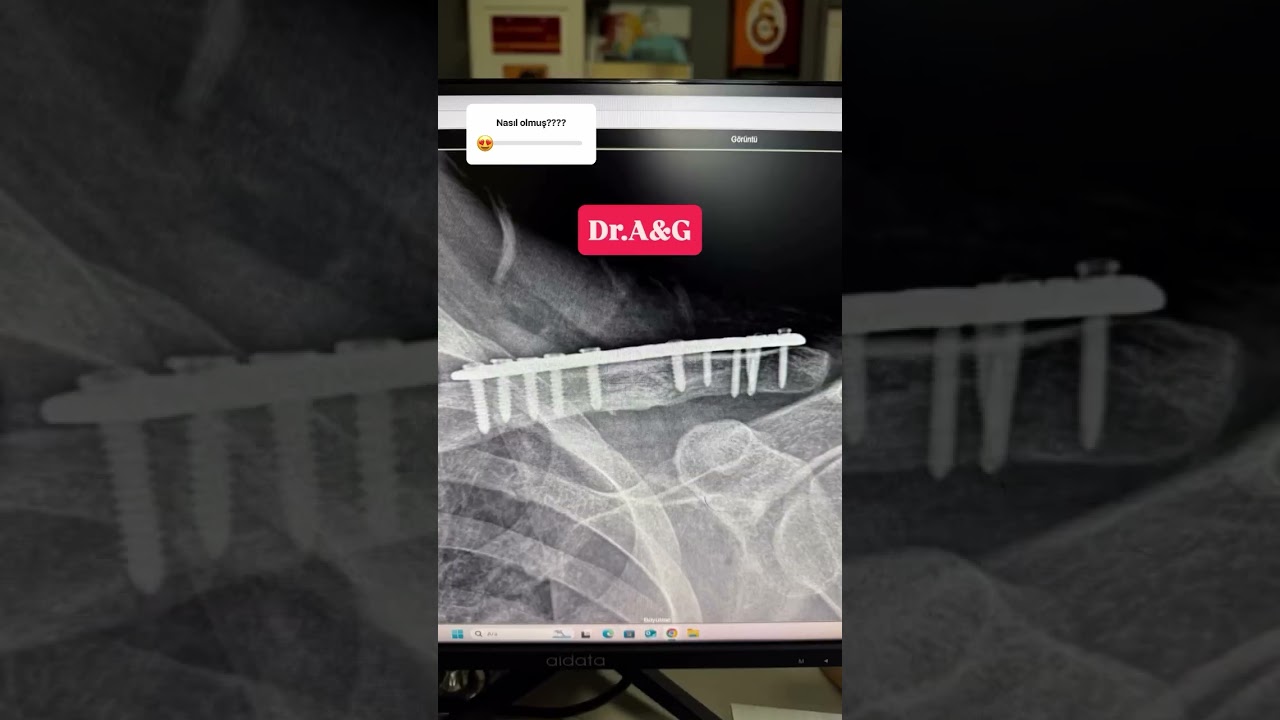
Clavicle Fracture: Clavicle Repair with Plate and Screw
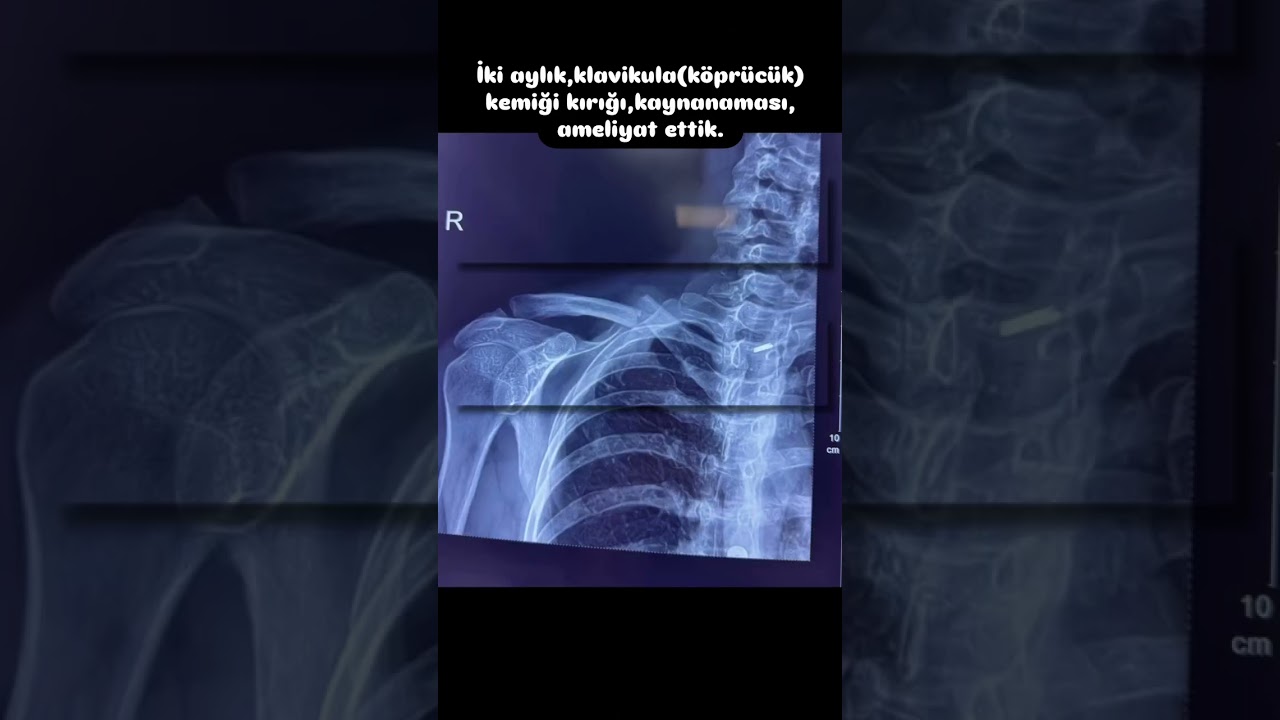
Nonunion Treatment in Clavicle Fracture
Shoulder disorders are musculoskeletal problems that develop due to various causes and may present with symptoms such as shoulder pain, restricted movement, weakness, or a sensation of instability in the joint.
Is Shoulder Pain Making Your Daily Activities Difficult?
What Are Shoulder Disorders? Symptoms and Causes
Shoulder disorders encompass various clinical conditions affecting the bone, muscle, tendon, ligament, and joint capsule that make up the shoulder joint. Because the shoulder joint is one of the joints with the greatest range of movement in the body, it is more vulnerable to strain during daily activities and repetitive movements. This article is prepared to provide general and impartial information about shoulder disorders and does not replace diagnosis or treatment advice.
What Are Shoulder Disorders?
Shoulder disorders are musculoskeletal problems that develop due to various causes and may present with symptoms such as shoulder pain, restricted movement, weakness, or a sensation of instability in the joint.
These conditions may occur alone or by affecting multiple structures.
Comfortable Movement with Shoulder Treatment
Problems that develop in the shoulder joint can be managed with appropriate treatment approaches. When conservative methods do not provide benefit, arthroscopic and surgical treatment options are effective methods aimed at reducing pain and increasing movement ability.
"With appropriate treatment, comfortable movement can be restored in shoulder joint problems."
Shoulder Pain Can Be Controlled with Treatment
Shoulder disorders may arise due to cartilage damage, tendon problems, impingement syndrome, or instability in the shoulder joint. This condition can lead to pain, restricted movement, and a significant reduction in quality of life. Medication, physiotherapy, and injections are preferred as first-line options. When these methods do not provide adequate benefit, arthroscopic procedures and surgical treatment options are effective approaches aimed at reducing pain and improving shoulder function. Dr Atakan Güvendiren
Why Do Shoulder Disorders Develop?
Many factors can play a role in the development of shoulder disorders. The most commonly encountered causes are:
- Repetitive arm and shoulder movements in daily life
- Prolonged desk work and poor posture
- Overuse of the shoulder during sport activities
- Trauma, falls, or accidents
- Age-related tissue changes
In female patients, more elastic ligament tissue may predispose to certain shoulder problems; this situation requires individual assessment.
What Are the Symptoms of Shoulder Disorders?
The symptoms of shoulder disorders may vary depending on the underlying condition. The most commonly reported symptoms are:
- Pain or tenderness in the shoulder
- Difficulty lifting the arm or bringing it behind the back
- Pain radiating from the shoulder to the arm
- Catching or grinding sensation during movement
- Early fatigue with daily activities
Important Information: Shoulder pain does not always indicate a serious condition; however, complaints that persist or increase for a long time require evaluation.
What Are the Most Common Shoulder Disorders?
Shoulder disorders vary depending on which anatomical structures are affected. In clinical practice, the most commonly encountered shoulder problems manifest with pain, restricted movement, and functional loss. This section is prepared to provide a general framework of shoulder disorders and does not replace diagnosis or treatment recommendations.
What Are Rotator Cuff Diseases?
The rotator cuff is a group of muscles and tendons that surround the shoulder joint and control arm movements. Problems affecting this structure are among the most common causes of shoulder pain.
- Pain when raising the arm
- Weakness sensation in the shoulder
- Shoulder pain that worsens at night
like these symptoms. Rotator cuff problems can be associated with repetitive movements or age-related tissue changes.
What Is Frozen Shoulder (Adhesive Capsulitis)?
Frozen shoulder is a condition characterised by thickening and stiffening of the shoulder joint capsule. Over time, significant restriction in shoulder movements may develop.
Common symptoms in frozen shoulder include:
- Progressively increasing restriction in shoulder movements
- Difficulty with daily activities
- Prolonged shoulder pain
It is a shoulder condition reported more frequently in women and in the middle-aged group.
What Does Shoulder Impingement Syndrome Mean?
Shoulder impingement syndrome can develop as a result of soft tissues within the shoulder joint becoming pinched in a narrow space during movement. This condition typically:
- Pain when the arm is raised upward
- Sensation of catching or jamming in the shoulder
- Complaints that increase with repeated shoulder movements
can manifest itself.
What is Shoulder Osteoarthritis?
Shoulder osteoarthritis is associated with wear of the cartilage tissue covering the joint surfaces over time. It is seen more frequently in older age groups and can lead to pain that increases with movement.
- Stiffness in the shoulder
- Sound during movement
- Difficulty with daily movements
are frequently encountered findings in shoulder osteoarthritis.
Shoulder Dislocation and Shoulder Instability
Shoulder dislocation occurs when the joint surfaces lose their normal position. In some individuals, this condition can become recurrent and is described as shoulder instability.
- Feeling of instability in the shoulder
- Sensation that the shoulder is about to dislocate with sudden movements
- History of previous shoulder dislocation
careful evaluation is important.
Does Every Shoulder Pain Mean the Same Thing?
No. Shoulder pain can originate from muscles, tendons, the joint, or surrounding tissues. Therefore, differential evaluation is necessary among shoulder conditions that present with similar symptoms.
What Are the Most Common Causes of Shoulder Pain?
Shoulder pain is a common complaint that can affect daily life and may not result from a single cause. Due to the complex structure of the shoulder joint, pain can originate from muscles, tendons, the joint capsule, or surrounding tissues. This section is prepared to provide general information about the most frequently encountered causes of shoulder pain.
Causes Related to Muscles and Tendons
One of the most common causes of shoulder pain is conditions affecting the muscles and tendon structures around the shoulder. This type of pain typically:
- Repetitive arm and shoulder movements
- Prolonged strenuous activities
- Poor posture and ergonomics
can occur following. Pain often increases with movement and may partially improve with rest.
Causes Related to Joint Capsule and Ligamentous Tissue
Problems in the capsule and ligamentous tissues surrounding the shoulder joint can also cause pain. In these conditions, pain is typically accompanied by:
- Movement restriction
- Stiffness sensation in the shoulder
- Difficulty with daily activities
can accompany. Clinical presentations such as frozen shoulder are evaluated in this category.
Causes Related to the Shoulder Joint
Certain conditions affecting the shoulder joint itself, particularly in older age, can cause shoulder pain. Among these:
- Wear on joint surfaces
- Shoulder osteoarthritis
- Structural changes within the joint
are included. This type of pain typically shows an increase over time.
Shoulder Pain Related to Trauma and Overuse
Shoulder pain developing after falls, impacts, or sudden overstretching can be associated with traumatic causes. In such situations:
- Sudden onset of severe pain
- Marked increase with movement
- Change in shoulder shape
such symptoms may be seen and evaluation is required.
Can Shoulder Pain Be Referred Pain?
In some cases, shoulder pain may not originate directly from the shoulder. Problems in the cervical spine or surrounding tissues can cause pain referred to the shoulder. Therefore, correct identification of the pain source is important.
When Is Evaluation Needed?
Specialist evaluation of shoulder pain is recommended in the following situations:
- If pain has persisted for longer than a few weeks
- If it is severe enough to wake you from sleep at night
- If there is significant restriction in shoulder movements
- If daily living activities have become more difficult
How Are Shoulder Conditions Diagnosed?
Correct diagnosis of shoulder conditions is important for understanding the source of shoulder pain and determining the appropriate approach. The diagnostic process is carried out through combined evaluation of the patient's history, physical examination, and imaging methods when deemed necessary. This section is for information purposes and provides a general overview of the clinical evaluation process.
Why Is the Patient's History (Anamnesis) Important?
In the first stage of diagnosis, the patient's complaints are listened to in detail. At this stage, answers are sought to the following questions:
- How long has the shoulder pain been present?
- What movements make the pain worse or better?
- Is there a history of previous shoulder trauma, overuse, or surgery?
- How are daily life and sleep patterns affected?
This information helps guide the differentiation of possible shoulder conditions.
How Is Physical Examination Performed?
During physical examination, the shoulder joint is evaluated in terms of range of movement, muscle strength, and tenderness. During the examination:
- Arm movements in different directions
- Positions that cause pain
- Condition of the shoulder surrounding muscles
are examined. Physical examination provides important clues as to whether shoulder pain originates from muscles, tendons, or the joint.
When Are Imaging Methods Used?
Where required following clinical assessment, imaging methods may be utilised. The most commonly used methods are:
X-ray
- Provides information about bone structures and joint relationships
- Used in the evaluation of osteoarthritis or bone changes
Magnetic Resonance Imaging (MRI)
- Provides detailed examination of muscle, tendon and ligament tissues
- Preferred for soft tissue-related shoulder conditions
Ultrasound
- Provides dynamic assessment capability
- Helps to examine tendon and muscle structures during movement
The choice of imaging method depends on the patient's clinical presentation.
How to Distinguish the Source of Shoulder Pain?
Shoulder pain does not always originate directly from the shoulder. Pain referred from the cervical spine or surrounding tissues can also lead to similar symptoms. For this reason, during the assessment process:
- The neck and upper back region
- Findings related to nerve conduction
- The distribution pattern of pain
are considered.
When is Further Assessment Required?
Detailed investigation is recommended in the following situations:
- If shoulder pain has persisted for a long time
- If movement restriction is progressively worsening
- If night pain has become more prominent
- If daily living activities are noticeably affected
Early and accurate diagnosis contributes to the preservation of shoulder function.
What are the Treatment Approaches for Shoulder Conditions?
Treatment of shoulder conditions is planned according to the type of condition, the duration of symptoms, structural changes in the shoulder joint and the individual's daily living requirements. The primary aims during treatment are: reduction of pain, preservation of range of motion and improvement of shoulder function. This section is prepared to provide a general overview of treatment approaches used in shoulder conditions.
How is a Treatment Plan Determined?
In shoulder conditions, the treatment decision is made by evaluating clinical assessment and imaging findings together. The following factors are considered when creating a treatment plan:
- The severity and duration of symptoms
- Whether there is structural damage to the shoulder joint
- The patient's age and physical activity level
- Limitations experienced in daily living activities
Non-surgical Treatment Approaches
In many shoulder conditions, non-surgical methods are preferred in the initial stage. These approaches can help bring symptoms under control and preserve shoulder function.
Rest and Activity Modification
Temporarily limiting movements that aggravate pain can contribute to the shoulder joint's healing process. It is important to arrange daily activities in an ergonomic manner.
Physiotherapy and Rehabilitation
Physiotherapy applications aim to strengthen shoulder muscles and increase joint range of motion. The exercise programmes applied can help support shoulder stability.
Medical Treatment
Medication treatments as deemed appropriate by the physician may be used to control pain and inflammation. Medical treatment is generally evaluated together with other treatment approaches.
Injection Procedures
In some shoulder conditions, injection methods may be used to help bring symptoms under control. These procedures are planned in accordance with specific clinical situations and physician evaluation.
When Is Surgical Treatment Considered?
Surgical treatment may be considered in cases where sufficient recovery has not been achieved with non-surgical methods, where structural damage is evident, or where the condition seriously affects shoulder function. The aim of surgical treatment is to restore the anatomical structure of the shoulder joint as much as possible and to support functional recovery.
Why Is the Post-Treatment Period Important?
The success of the treatment process is not limited to the method used alone. Post-treatment rehabilitation, adherence to the exercise programme and regular follow-ups are of great importance for long-term outcomes.
Frequently Asked Questions
What are shoulder conditions?
Shoulder disorders encompass various clinical conditions affecting the bones, muscles, tendons and ligaments that form the shoulder joint. The most common shoulder disorders include: shoulder impingement syndrome, frozen shoulder (adhesive capsulitis), rotator cuff problems, shoulder dislocation and recurrent shoulder dislocations, and shoulder pain related to osteoarthritis.
Is shoulder pain always a sign of a serious condition?
No. Shoulder pain can occur due to muscle strain, poor posture or temporary soft tissue problems. However, if pain persists for a long time, is accompanied by movement restriction, or disturbs sleep at night, it should certainly be evaluated.
What are the signs and symptoms of shoulder conditions?
The most commonly seen signs and symptoms in shoulder conditions are: pain during shoulder and arm movements, movement restriction or stiffness sensation, weakness, sounds from the shoulder, difficulty with daily activities. The severity and duration of symptoms may vary depending on the underlying condition.
How are shoulder conditions diagnosed?
Initially, a detailed clinical assessment is carried out in the diagnostic process. The patient's symptoms and physical examination findings are evaluated together with imaging methods as required. Commonly used diagnostic methods are: X-ray, magnetic resonance (MR), ultrasound.
Do shoulder conditions resolve on their own?
Some mild shoulder problems may improve with time. However, if pain and movement restriction persist for a long time, this may indicate an underlying structural problem. Early evaluation contributes to a more controlled treatment process.
Do all people with shoulder pain require surgery?
No. In the majority of shoulder conditions, non-surgical treatment methods are evaluated as a priority. Surgery is only considered in specific clinical situations and following specialist evaluation.
Why is early diagnosis important in shoulder conditions?
Early diagnosis is important for preventing permanent movement restrictions in the shoulder joint and for evaluating treatment options within a broader framework. Timely assessment contributes to a more controlled progression of the condition.
Do shoulder conditions occur in only one shoulder?
Shoulder conditions most commonly appear in one shoulder; however, in some cases both shoulders may be affected. In particular, some clinical presentations such as frozen shoulder can lead to similar symptoms in the opposite shoulder over time.
Do shoulder conditions increase with age?
Yes. As age advances, the flexibility of tendons and soft tissues in the shoulder joint may decrease. This can increase the frequency of occurrence of some shoulder conditions. However, shoulder problems related to trauma or repetitive movements can also occur at younger ages.
Does shoulder pain radiate down the arm and hand?
Pain from certain shoulder conditions may spread from the shoulder down the arm. This can happen because of damage to the muscles and tendons around the shoulder joint. However, pain that spreads to the arm and hand is not always caused by the shoulder; differential diagnosis is important.
How do shoulder conditions affect daily life?
Shoulder conditions can make daily activities difficult, such as dressing, combing hair, lifting weights, and sleeping positions. When the dominant arm is affected, it can more noticeably impact quality of life.
Is exercise harmful in shoulder conditions?
Improper or uncontrolled exercise can worsen shoulder symptoms. It is important that exercise programmes are tailored to the shoulder's current condition and carried out according to specialist advice.
Why does shoulder pain increase at night?
Night pain may occur due to inflammation in the shoulder joint, soft tissue problems, or incorrect sleeping positions. Shoulder pain that wakes you from sleep is an important symptom that should be evaluated.
Can shoulder conditions recur?
Some shoulder conditions may recur if the underlying causes persist. Particularly in situations affecting shoulder stability, preventive measures and regular follow-up are important.
Is imaging always necessary for shoulder conditions?
No. Advanced imaging methods are not always needed for every case of shoulder pain. After clinical assessment, imaging methods are planned when considered necessary.
What happens if shoulder conditions are not treated?
Untreated shoulder conditions can lead to restricted movement, muscle weakness, and permanent difficulties in daily life over time. For this reason, specialist evaluation is recommended for long-standing symptoms.
Is it possible to prevent shoulder conditions?
To protect shoulder health, it is important to maintain correct posture habits, avoid sudden and forceful movements, and consciously perform exercises that support shoulder muscles.





Schedule an Appointment
Your information will be sent to Dr. Atakan Güvendiren's clinic. A response will be provided within 24 hours.