
Shoulder Arthroscopy
Shoulder arthroscopy is a modern orthopaedic surgical technique in which problems developing within the shoulder joint are visualised using a camera inserted through small incisions and treated. It is frequently preferred for the treatment of shoulder impingement syndrome, rotator cuff tears, labral lesions and recurrent shoulder dislocations.
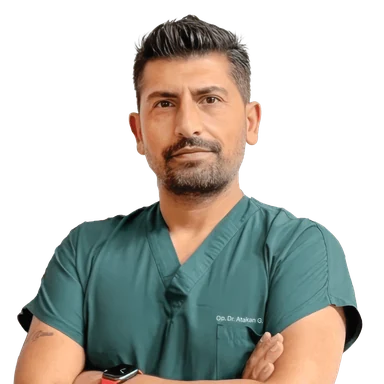
Dr. Atakan Güvendiren
Orthopaedics and Traumatology · Istanbul
▶ What is Sports Surgery?
{ AI · initial information }
onlineLet's discuss closed surgery
AI answers do not replace a medical diagnosis.
Shoulder arthroscopy is a minimally invasive surgical technique that allows diagnosis and treatment of problems within the shoulder joint using a camera and specialised surgical instruments inserted through small incisions.
Is Your Shoulder Pain Limiting Your Daily Activities?
What Is Shoulder Arthroscopy? A Minimally Invasive and Effective Surgical Technique
Shoulder arthroscopy is a modern orthopaedic surgical technique in which problems developing within the shoulder joint are visualised using a camera inserted through small incisions and treated. Because of its minimally invasive nature, it causes less tissue damage compared to open surgery and offers patients a more comfortable recovery period.
In this technique, the structures within the shoulder joint are visualised in high resolution thanks to an arthroscope inserted through incisions measuring just a few millimetres. The rotator cuff tendons, labrum, biceps tendon, cartilage surfaces and joint capsule are evaluated in detail. Necessary repairs can be performed in the same session.
Shoulder arthroscopy is frequently used for treatment of shoulder impingement syndrome, rotator cuff tears, labral lesions, recurrent shoulder dislocations and some cartilage problems. It is an effective and reliable option in shoulder pain that cannot be controlled through non-surgical methods.
Because of its advantages such as smaller scar marks, less post-operative pain and quick return to daily activities, shoulder arthroscopy is nowadays a widely applied surgical approach in both athletes and individuals leading an active lifestyle.
Comfortable Movement with Shoulder Arthroscopy
Shoulder arthroscopy is a surgical procedure that allows minimally invasive treatment of many problems within the shoulder joint, such as tendon tears, cartilage damage, ligament problems and loose bodies within the joint. Because it is performed through small incisions, the damage to tissue is minimal and the recovery process is generally more comfortable. The aim is to reduce pain, improve shoulder function and help the patient return to daily activities more quickly. "In shoulder joint problems; comfortable movement can be restored with appropriate treatment."
Shoulder Joint Problems Can Be Controlled with Shoulder Arthroscopy
Shoulder arthroscopy is a minimally invasive surgical technique used in diagnosis and treatment of tendon tears, impingement syndrome, cartilage damage and other problems within the shoulder joint. These conditions can lead to pain, limited movement, weakness and difficulty with daily activities, negatively affecting quality of life, and require appropriate treatment. Amongst treatment options are medication therapies, physiotherapy applications and injections, whilst in cases where these methods do not provide sufficient benefit, shoulder arthroscopy is applied as an effective surgical solution that allows the joint space to be visualised through small incisions and damaged tissues to be repaired. Dr. Atakan Güvendiren
In Which Conditions Is Shoulder Arthroscopy Used?
Shoulder arthroscopy is an effective surgical technique used in diagnosis and treatment of many diseases that cause pain, limited movement and loss of function in the shoulder joint. It is generally preferred when insufficient benefit is obtained from non-surgical approaches such as medication, rest and physiotherapy.
This technique is most commonly used in conditions such as shoulder impingement syndrome, rotator cuff tears, labral (SLAP) lesions, recurrent shoulder dislocations and biceps tendon problems. Additionally, loose bodies within the shoulder joint, cartilage damage and certain inflammatory joint conditions can also be treated arthroscopically.
In athletes and active individuals, shoulder arthroscopy provides an important treatment option for injuries developing due to repetitive movements that strain the shoulder joint. Because it is minimally invasive, it can be safely applied for both diagnostic and therapeutic purposes.
The necessity for shoulder arthroscopy should be determined by an orthopaedic specialist by evaluating the patient's symptoms, clinical examination findings and imaging methods together. Appropriate patient selection is one of the most important factors directly affecting the success of treatment.
Rotator Cuff Tears and Arthroscopic Repair Approach
The rotator cuff is critically important for the stability and mobility of the shoulder joint. Tears in this group of tendons cause pain, weakness and limited movement in the shoulder. Arthroscopic rotator cuff repair ensures anatomical repair of torn tendons. Through the minimally invasive technique, surrounding tissues are preserved, the healing process is accelerated and shoulder function is restored.
Labral Tears: Diagnosis and Arthroscopic Treatment
The labrum is a cartilaginous structure that enhances the stability of the shoulder joint. Labral tears can occur as a result of trauma, repetitive strain, or shoulder dislocations. This condition causes a catching sensation, pain, and instability in the shoulder. During arthroscopic surgery, labral tears are visualised clearly and are repaired using stitching or fixation methods when necessary. In this way, the stability of the shoulder joint is restored.
The Importance of Arthroscopy in Shoulder Impingement Syndrome
Shoulder impingement syndrome occurs when tendons become trapped between bone structures during shoulder movement. It typically manifests with pain when the arm is raised. With the arthroscopic method, bone spurs causing the impingement and soft tissue problems are addressed. This reduces pain, increases range of motion, and preserves shoulder function.
Frozen Shoulder (Adhesive Capsulitis) and Arthroscopic Solutions
Frozen shoulder is characterised by severe restriction of movement resulting from thickening and stiffening of the shoulder joint capsule. In cases resistant to physical therapy and advanced stages, arthroscopic surgery provides an effective solution. Through arthroscopy, the joint capsule is carefully released, increasing shoulder range of motion and significantly reducing pain.
Biceps Tendon Injuries: Minimally Invasive Approach
Problems affecting the biceps tendon can cause pain and loss of function at the front of the shoulder. Tendon tears or inflammatory conditions can be successfully treated with the arthroscopic method. Through minimally invasive surgery, tendon repair or repositioning procedures are performed when necessary. This approach provides the advantages of rapid healing and reduced postoperative pain.
Shoulder Instability and Arthroscopic Stabilisation in Recurrent Dislocations
Shoulder instability is characterised by recurrent dislocations resulting from the shoulder joint's inability to remain stable within normal limits. It is particularly common in young and active individuals. Arthroscopic stabilisation surgery repairs loose ligaments and torn structures, restoring balance to the shoulder joint. This reduces the risk of recurrent dislocation and enables safe functional use of the shoulder.
Shoulder Joint Anatomy: Structures Evaluated in Arthroscopy
The shoulder joint is one of the joints in the human body with the greatest range of motion and has a complex anatomical structure. For this reason, correct evaluation of problems in the shoulder region is of great importance for the success of treatment. Shoulder arthroscopy allows detailed examination of all structures within the joint.
During arthroscopy, the rotator cuff tendons are evaluated first. These tendons provide the shoulder's stability and enable the arm to be raised and rotated. Tears or degenerative changes can be directly visualised. The labrum is a cartilaginous structure that deepens the shoulder socket and is frequently affected, particularly in shoulder dislocations and sports injuries.
Additionally, the intra-articular portion of the biceps tendon, joint capsule, ligamentous structures, and cartilage surfaces are examined in detail with arthroscopy. Free joint bodies, inflammatory changes in synovial tissue, and bone spurs causing impingement can also be clearly assessed with this method.
Shoulder arthroscopy enables both the diagnosis and treatment of problems that compromise the joint's anatomical integrity to take place in a single session. In this way, the goal is to preserve shoulder function and support long-term joint health.
How is Shoulder Arthroscopy Performed? Surgical Process and Technical Stages
Shoulder arthroscopy is a surgical procedure typically performed under general anaesthesia depending on the patient's general health status and the procedure to be performed. Before the operation, the patient is evaluated in detail and the shoulder joint is planned using the necessary imaging methods. The procedure is carried out in sterile operating theatre conditions using specialised arthroscopic equipment.
During surgery, several small incisions a few millimetres long are made around the shoulder. Through one of these incisions, a camera system (arthroscope) is inserted into the joint, while surgical instruments are introduced through the other incisions. Thanks to the camera, the structures inside the shoulder joint are magnified and viewed clearly. Damaged tendons, labral tears, cartilage lesions, or bone structures causing impingement are identified at this stage.
Depending on the problem identified, arthroscopic procedures such as repair, debridement, removal of bone spurs, or tendon repair can be performed in a single session. After the surgery is complete, the small incisions are closed with aesthetic stitches and the shoulder is supported with a dressing.
Compared to open surgery, shoulder arthroscopy offers significant advantages such as less tissue damage, lower risk of complications, and rapid healing. The success of the procedure is directly related to the surgeon's experience, appropriate patient selection, and the postoperative rehabilitation process.
What are the Advantages of Shoulder Arthroscopy and its Benefits?
Shoulder arthroscopy is one of the most important advances offered by modern orthopaedic surgery and provides patients with numerous advantages in both diagnosis and treatment. As a minimally invasive method, it is a safer and more comfortable surgical option compared to open shoulder surgery.
One of the most important advantages of this method is that it is performed with small incisions. In this way, the surrounding soft tissues are minimally affected, postoperative pain is reduced, and the risk of infection is lower. It also provides a significant aesthetic advantage; incision scars typically become unnoticeable over time.
After shoulder arthroscopy, the hospital stay is short and most patients can return to their daily activities more quickly. Detailed visualisation of intra-articular structures with the aid of the camera allows problems to be identified more accurately and treated effectively in the same session.
When performed with appropriate indications, shoulder arthroscopy contributes to pain reduction, improved mobility, and significant improvement in quality of life. It is particularly an important treatment approach for athletes and active individuals in terms of preserving shoulder function.
How is Recovery and Rehabilitation After Shoulder Arthroscopy?
The recovery process after shoulder arthroscopy can vary depending on the scope of the surgical procedure performed and the patient's general health status. As a minimally invasive method, a faster and more controlled recovery process is targeted compared to open surgery. Pain and swelling in the shoulder may be observed during the first days after surgery; this condition is typically controlled with medication and cold application.
In the early period, an arm sling may be recommended to protect the shoulder joint. This duration is determined by your surgeon based on the type of repair performed. Subsequently, a rehabilitation programme undertaken with a physiotherapist gradually increases shoulder mobility and restores muscle strength.
During the rehabilitation process, passive exercises are performed in the early stage, followed by active and resistance exercises in later stages. This staged approach both accelerates healing and reduces the risk of joint stiffness and re-injury. Return to daily activities is usually possible within a few weeks, although sport and heavy physical activity may require a longer period.
One of the most important factors determining success after shoulder arthroscopy is consistent adherence to the rehabilitation programme. Following your surgeon's and physiotherapist's recommendations helps maintain shoulder function permanently and improves quality of life.
What are the possible risks and complications of shoulder arthroscopy?
Although shoulder arthroscopy is generally a safe and frequently performed surgical technique, like any surgical procedure it may involve some potential risks and complications. These risks are usually rare and minimal when the procedure is performed by experienced surgeons with appropriate patient selection.
The most commonly encountered problems include temporary post-operative pain, swelling and tenderness around the shoulder. In rare cases, complications such as infection, bleeding, nerve or blood vessel damage may develop. Additionally, some patients may experience shoulder stiffness or restricted movement; this is usually associated with inadequate rehabilitation.
Very rarely after shoulder arthroscopy, blood clot formation, reactions to anaesthesia or delayed healing of repaired tissues may occur. It is therefore important not to miss post-operative follow-up appointments recommended by your surgeon and to pay attention to any warning signs.
To minimise risks, a detailed evaluation should be performed before surgery, and your existing medical conditions and any medications you are taking must be discussed with your surgeon. With proper planning and regular follow-up, shoulder arthroscopy is a surgical technique that can be safely performed with high success rates.
Return to daily activities and sport after shoulder arthroscopy
The process of returning to daily activities after shoulder arthroscopy varies depending on the type of surgical procedure performed and your adherence to the rehabilitation programme. Because it is a minimally invasive technique, most patients can begin to perform basic daily activities in a controlled manner shortly after surgery.
In the first weeks after surgery, you should avoid sudden movements and heavy lifting that could strain the shoulder joint. Patients who work at a desk can usually return to work within a few days, though those in physically demanding occupations may require a longer period. The exercise programme recommended by your surgeon and physiotherapist is crucial for safe recovery.
The timeline for returning to sport is planned according to the extent of the repair performed on your shoulder. Light exercise and low-intensity activities can usually be started early on, whereas contact sports and activities involving heavy load-bearing may require waiting several months. Athletes are given personalised rehabilitation programmes to restore shoulder stability and muscle strength.
A controlled and gradual return to activity reduces the risk of re-injury and contributes to long-term preservation of shoulder health. Therefore, your return to sport after shoulder arthroscopy must always be planned under specialist medical supervision.
What are the results and long-term success rates of shoulder arthroscopy?
Shoulder arthroscopy has high success rates when performed with appropriate patient selection and correct surgical technique. The primary goal of the procedure is to reduce shoulder pain, increase the range of motion and enable the patient to return to daily activities without difficulty.
When long-term results are evaluated, significant functional improvement is observed in many patients with rotator cuff tears, shoulder impingement syndrome and labral lesions. Particularly in patients who regularly participate in their rehabilitation programme, shoulder strength and stability are permanently improved.
The continuity of surgical success is closely related to your compliance with post-operative recommendations, maintaining consistency in your physiotherapy and avoiding activities that could strain the shoulder joint. In athletes, returning to sport at the appropriate time and in a controlled manner directly affects long-term success.
In conclusion, shoulder arthroscopy is a modern and effective surgical approach with high patient satisfaction in both the short and long term. Regular medical follow-up allows the gains achieved to be maintained and ensures sustainable shoulder health.
What is the post-operative follow-up and monitoring process after shoulder arthroscopy?
Regular follow-up and monitoring after shoulder arthroscopy is one of the most important stages directly affecting the success of treatment. After surgery, your recovery process may vary depending on the scope of the procedure performed, the degree of shoulder damage and your individual healing rate.
The first follow-up is usually performed within 7–10 days after surgery. During this visit, wound healing is evaluated, stitches are removed and your pain level is reviewed. In subsequent weeks, shoulder mobility, muscle strength and functional recovery are monitored at follow-up appointments.
Regular compliance with the physiotherapy and exercise programme planned by your doctor is the most critical aspect of the monitoring process. During follow-up visits, the exercise programme may be updated based on your progress. Where necessary, your shoulder joint is re-evaluated using imaging methods.
Thanks to regular medical follow-up, possible complications are detected early and prompt intervention is possible. This approach ensures that shoulder function is permanently preserved and enables you to safely return to daily life.
Frequently Asked Questions
What is shoulder arthroscopy?
Shoulder arthroscopy is a minimally invasive surgical technique that allows diagnosis and treatment of problems within the shoulder joint using a camera and specialised surgical instruments inserted through small incisions.
When is shoulder arthroscopy performed?
It can be used for shoulder pain unresponsive to non-surgical treatments, rotator cuff tears, labral tears, shoulder instability, impingement syndrome, frozen shoulder and biceps tendon problems.
Is shoulder arthroscopy advantageous compared to open surgery?
Yes. It offers important advantages such as smaller incisions, less tissue damage, lower infection risk, less pain and faster healing.
How long does shoulder arthroscopy take?
The operation time varies depending on the scope of the procedure performed, but typically takes between 30–90 minutes.
Will there be pain after shoulder arthroscopy?
In the first days after surgery, mild to moderate pain may be present. This pain can be managed with painkillers recommended by your doctor and cold therapy.
Will hospital admission be necessary after surgery?
Most shoulder arthroscopy procedures are planned for same-day discharge. In some special cases, one night's hospital stay may be required.
Will an arm sling be used after shoulder arthroscopy?
Yes. Depending on the surgical procedure performed, an arm sling may need to be worn for a specific period. The duration of use will be determined by your doctor.
Is physiotherapy necessary?
Yes. Physiotherapy is an important part of recovery after surgery. Through physiotherapy, shoulder mobility, muscle strength and function are safely restored.
How long does it take to return to daily activities?
Return to light daily activities usually occurs within a few weeks. Full recovery and return to sports activities varies between 3–6 months depending on the type of procedure performed.
Will there be scars after shoulder arthroscopy?
Since the incisions are very small, scars are typically minimal and tend to become less noticeable over time.
For whom is shoulder arthroscopy not suitable?
In patients with advanced joint osteoarthritis, active infection, or serious general health problems, alternative treatment methods may be preferred. Suitability is determined through detailed medical evaluation.
Will problems occur again after surgery?
With proper patient selection, appropriate surgical technique and regular rehabilitation, the risk of recurrent problems is low. However, the patient's adherence to recommendations is critical in the recovery process.
Schedule an Appointment
Your information will be sent to Dr. Atakan Güvendiren's clinic. A response will be provided within 24 hours.