
Fractures and Dislocations
A fracture is a break in bone integrity; a dislocation is the displacement of bones in a joint from their normal position. Correct initial assessment and proper intervention are of great importance in preserving bone and joint integrity and preventing loss of function.

Dr. Atakan Güvendiren
Orthopaedics and Traumatology · Istanbul
▶ Clavicle Fracture: Repair of the Collarbone with Plate and Screw
{ AI · initial information }
onlineLet's talk about your injury
AI answers do not replace a medical diagnosis.
Short videos on the topic
All videos →Brief explanations of this topic from the clinic's YouTube channel. Total 2 videos.

Ankle Fracture-Dislocation: Football Injury Treatment
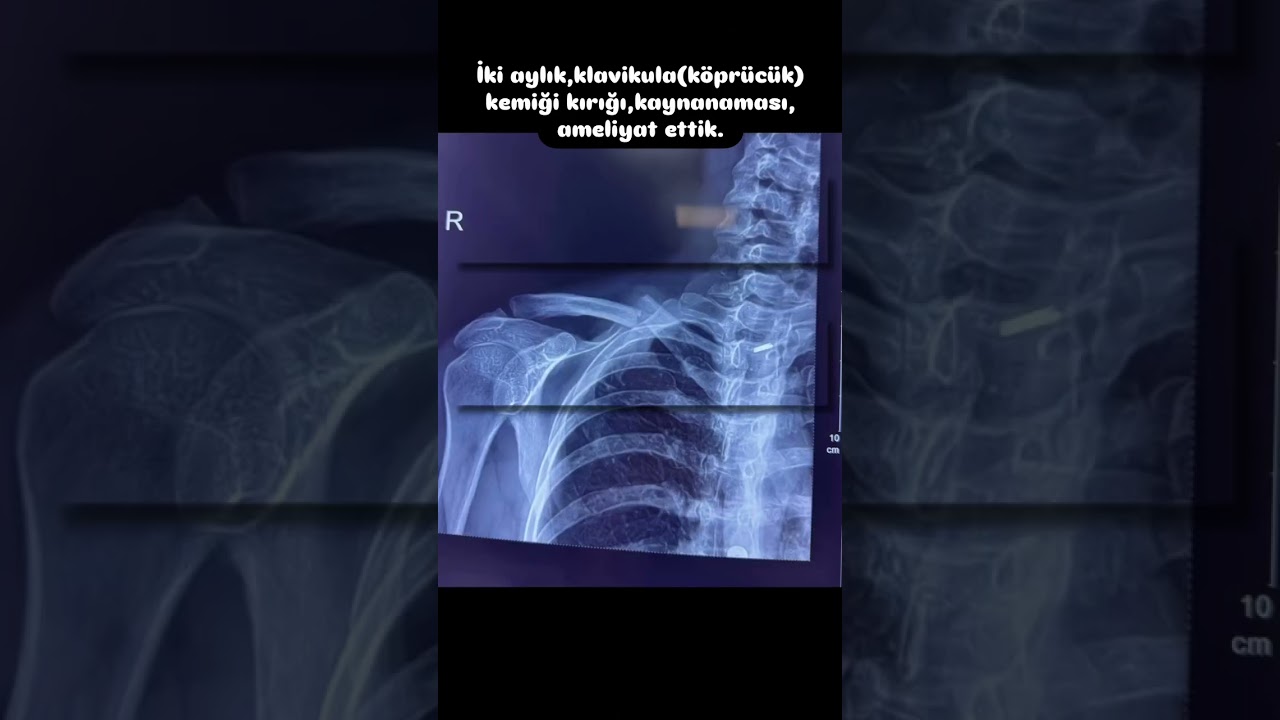
Nonunion Treatment in Clavicle Fracture
Fractures and dislocations can be successfully managed with appropriate treatment approaches. Treatment may consist of casting, splinting, or surgery depending on the type and location of the fracture; dislocations are reduced back into position, and surgery may be required in some cases.
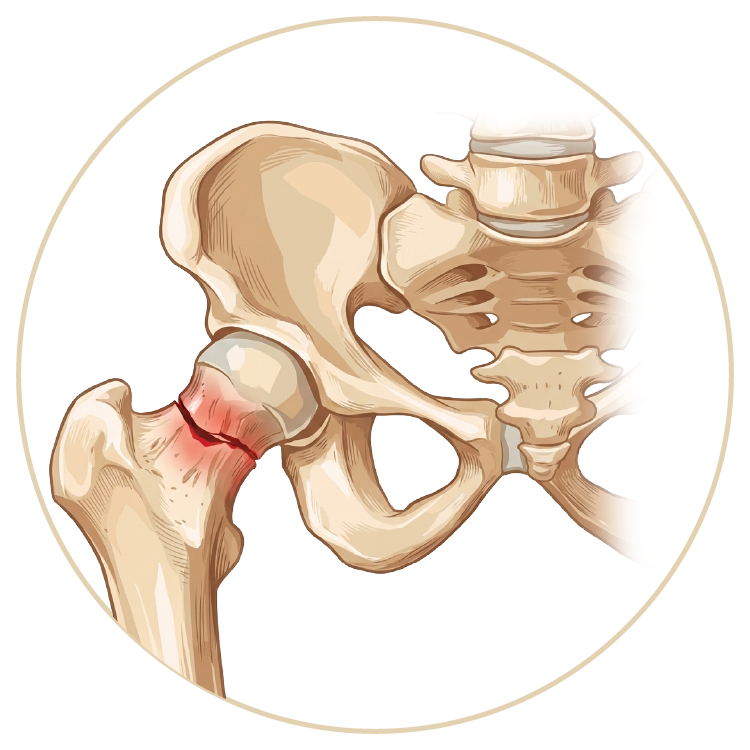
Having Difficulty Moving After Trauma?
What are Fractures and Dislocations?
Fracture: A break in bone integrity. As a result of a fall, impact, or sudden blow, bone may crack or break completely. Fractures can be open (bone pierces the skin) or closed (skin remains intact).
Symptoms: Severe pain, swelling, bruising, restricted movement, and sometimes abnormal bone shape. Treatment depends on the type and location of the fracture and may consist of casting, splinting, or surgery.
Dislocation: Displacement of the bones in a joint from their normal position. Most commonly seen in the shoulder, finger, and knee joints.
Symptoms: Deformed joint shape, severe pain, tenderness, difficulty moving, and swelling. Dislocations usually occur as a result of falls or sudden twists and are treated by reducing the joint back into position; surgery may be required in some cases.
Comfortable Movement with Fracture and Dislocation Treatment
Fractures and dislocations can be successfully managed with appropriate treatment approaches. Correct initial assessment and proper intervention are of great importance in preserving bone and joint integrity and preventing loss of function. Where necessary, surgical treatment methods aim to restore anatomical structure, reduce pain, and enable safe movement.
"With appropriate treatment, comfortable and safe movement can be restored in fracture and dislocation injuries."
Effective Treatment Approach in Fractures and Dislocations
Treatment of fractures and dislocations encompasses surgical and conservative treatment approaches aimed at repairing structural damage to bones and joints caused by trauma. This condition can result in pain, restricted movement, deformity, and marked difficulty with daily living activities. At the initial stage, correct assessment, splinting, casting, and medical treatment are preferred. When these methods prove insufficient or the fracture/dislocation is unstable, surgical treatment methods are effective treatment options aimed at restoring the bone's anatomical integrity, reducing pain, and enabling safe movement. Dr. Atakan Güvendiren
First Aid in Fractures and Dislocations — Step-by-Step Management
The primary aim of first aid is to keep the injured person safe and calm, reduce pain, and prevent further injury. The initial intervention steps include:
- Position the injured person comfortably lying down.
- Assess the situation without panic.
- Observe the type of fracture or dislocation; if there is an open fracture, cover it with a sterile dressing.
In Trauma Situation: What Should Be Done First
- Ensure safety: Move the injured person away from danger.
- Assess the situation: Check if the person is conscious and breathing.
- Call emergency services: Ring 112 and provide information about the situation.
Stopping Bleeding and Shock Treatment
If there is bleeding associated with the fracture or dislocation:
- Apply direct pressure to the bleeding area with a clean cloth or sterile gauze pad.
- To prevent shock, lay the injured person on their back, raise their legs slightly, and keep them calm.
- Cover them to prevent heat loss.
First Aid to Reduce Pain and Swelling
- Keep the injured area immobile and elevate it if possible.
- You can apply a cold pack or ice application to reduce swelling (do not apply ice directly to the skin).
- To relieve pain, keep the injured person calm and reduce their stress.
Immobilisation of the Injured Area
- It is very important not to move a fractured or dislocated area.
- Use a splint or sling to prevent damage to surrounding tissues.
- If you need to move the injured person, secure the area and move them safely.
Splint and Sling Use: Correct Immobilisation Techniques
- A splint or sling is a support device used to immobilise a fractured or dislocated area.
- The sling should extend from joint to joint and should not alter bone alignment.
- Secure the area during immobilisation in a way that does not cause discomfort to the injured person.
Ice Application for Fractures and Dislocations: What Should Be Considered?
- Ice application reduces swelling and pain, and helps control bleeding.
- Do not apply ice directly to the skin; wrap it in a thin cloth.
- Apply for 15–20 minutes at a time, then take a short break.
Frequently Asked Questions
undefined
undefined
undefined
undefined
undefined
undefined
undefined
undefined
undefined
undefined
undefined
undefined
undefined
undefined
undefined
undefined
undefined
undefined
undefined
undefined
undefined
undefined
undefined
undefined
undefined
undefined
undefined
undefined
undefined
undefined





Schedule an Appointment
Your information will be sent to Dr. Atakan Güvendiren's clinic. A response will be provided within 24 hours.